- Home
- Free Home Decor Printables
- Wall Art Size And Hanging Worksheet
Wall Art Size & Hanging Worksheet
This free wall art size and hanging worksheet helps you measure the wall, relate artwork to nearby furniture, plan single or multi-piece arrangements and mark the final hanging position before drilling. Record the finished frame size, spacing, hanging height and hardware so the composition feels intentional rather than guessed.
Measure the wall, furniture, frame, arrangement and final fixing points.
Separate print-ready versions for the two most common paper formats.
Finish with a clear verification step before making permanent holes.
Download the Wall Art Size & Hanging Worksheet
Choose A4 for most UK and international printers or US Letter for standard North American paper. Both editions contain the same four-page wall-art planning and hanging system.
Beautiful Wall Art Can Still Look Wrong When the Scale Is Wrong
Wall Art Needs a Relationship, Not Just an Empty Wall
Artwork is rarely viewed in isolation. Above a sofa, bed, console or fireplace, it becomes part of a larger visual group. Choosing the artwork only from the amount of blank wall available can therefore produce a piece that feels too small, too detached or incorrectly positioned.
The same problem appears with multi-piece arrangements. Three individually attractive frames can still feel disconnected if the total grouping width, spacing and centre line are not planned as one composition.
This worksheet brings the wall, furniture, artwork and hanging hardware into the same plan before installation begins.
The Houselyn Wall Art Sequence
Measure → Size → Position → Space → Hang → Verify
Understand the visual zone first, establish the finished artwork or grouping dimensions, plan the position and only then transfer the decision into accurate fixing points.
Four Pages for Planning Wall Art Before Hanging It
The printable moves from the wall and furniture relationship to artwork size, arrangement spacing and finally the physical hanging position.
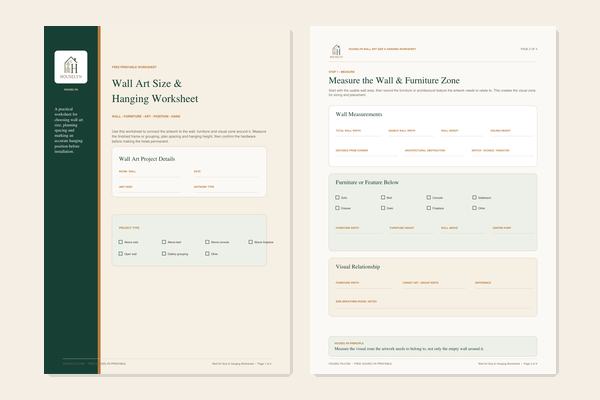
Project Setup
Record the room, wall, artwork type and whether the project sits above furniture, a fireplace or an open wall.
Wall & Furniture Zone
Measure usable wall width, furniture dimensions, centre points and the visual zone available for the artwork.
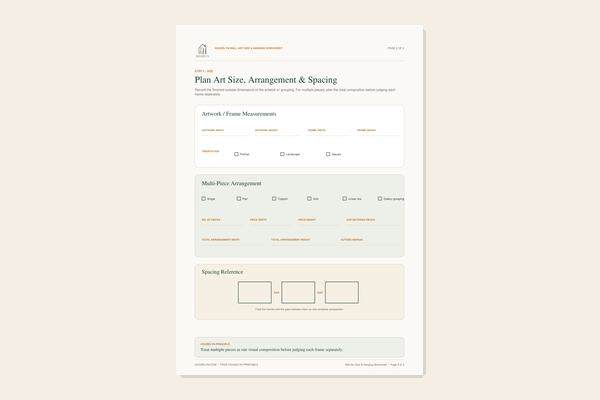
Art Size & Arrangement
Record frame size, orientation, number of pieces, arrangement dimensions and spacing between frames.
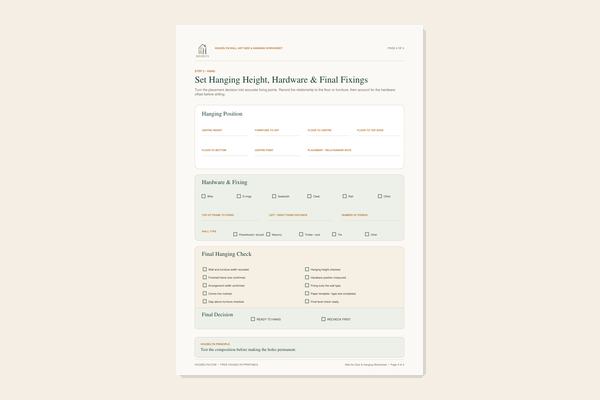
Hanging & Hardware
Plan hanging height, fixing offsets, wall type and complete the final installation check.
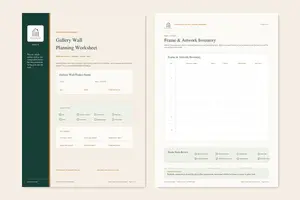
Preview the Actual Wall Art Worksheet
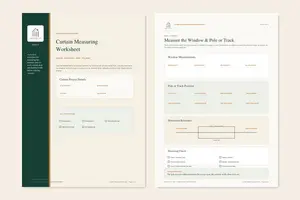
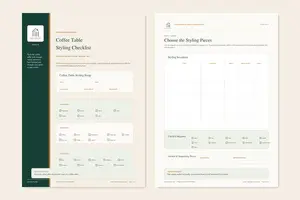
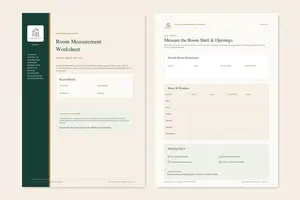
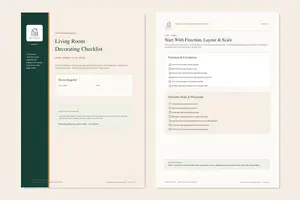
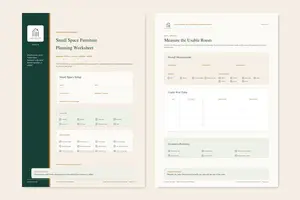
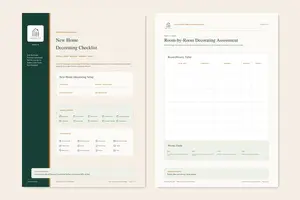
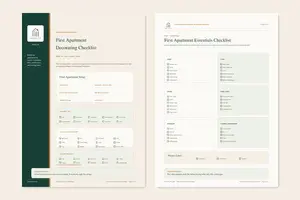
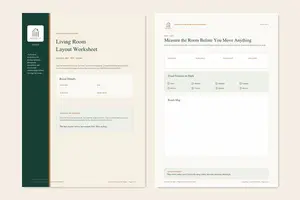
These images are created directly from the finished Houselyn PDF, so the worksheet you download matches the pages shown here.
Plan the Artwork in Four Practical Stages
Record usable wall width and the furniture or feature the artwork should visually connect with.
Record the finished outside dimensions of the frame or complete multi-piece grouping.
Establish the centre line, relationship to furniture and spacing between multiple pieces.
Transfer the design into accurate fixing points and verify the wall hardware before drilling.
Planning Artwork Above a Sofa
Measure the Finished Composition, Not Just the Print
Know Which Dimension You Are Planning
- Artwork size may describe the print or canvas itself.
- Finished frame size is the true outside dimension occupying wall space.
- Grouping size includes every frame and the gaps between them.
- Furniture width creates an important reference zone for art placed above it.
- Centre height describes the visual centre of the artwork or complete grouping.
- Hanging-point offset converts the desired frame position into the actual hook or fixing location.
Common Wall Art Hanging Mistakes
- Choosing artwork based only on empty wall width.
- Ignoring the furniture beneath the artwork.
- Hanging the artwork too far above the furniture.
- Measuring the print but forgetting the finished frame dimensions.
- Using inconsistent gaps in a multi-piece arrangement.
- Centring on the wall when the furniture grouping is the stronger visual reference.
- Ignoring wire, D-ring or cleat offsets when marking the hook.
- Drilling before testing the composition with paper templates or removable tape.
Pair the Worksheet With Houselyn Wall Art Tools
The worksheet records the physical measurements. Use the Houselyn interactive tools to refine the size and composition before the final hanging position is marked.
Use the wall or furniture dimensions to estimate a more proportionate artwork size.
Multi-Piece Art Gallery Wall PlannerBuild and compare a more complete multi-frame composition before transferring it to the wall.
Room Relationship Living Room Layout PlannerCheck how furniture placement and focal points affect the visual zone available for wall art.
Use the Edition That Matches Your Paper
Choose A4 for standard UK and international paper or US Letter for 8.5 × 11 inch paper.
Print at Actual Size or 100% where possible. The two editions are formatted independently so the measurement fields, diagrams and checklists retain comfortable writing space.
Test the Composition on the Wall First
Use paper templates, removable tape or another non-permanent reference to test the finished frame size and grouping before making holes.
Once the visual placement feels right, measure the distance between the frame edge and the actual hanging hardware before transferring the final fixing points.
Wall Art Size & Hanging Worksheet FAQ
Is the Wall Art Size & Hanging Worksheet free?
Yes. The Houselyn worksheet is available as a free A4 and US Letter printable PDF.
How do I choose the right size artwork for a wall?
Start by measuring the usable visual zone and any furniture the artwork needs to relate to. Then compare the finished outside artwork or grouping dimensions with that zone rather than judging the piece in isolation.
Should wall art be centred on the wall or the furniture?
When artwork clearly belongs to a sofa, bed, console or similar furniture grouping, that furniture often provides the stronger visual reference. Open-wall installations may instead relate more directly to the architecture.
How high should I hang wall art above a sofa?
Treat the relationship between the artwork and sofa as part of one composition rather than automatically applying a single height to every room. Use the worksheet to test the gap, centre line and finished frame size together.
Should I measure the artwork or the frame?
Record the finished outside frame dimensions because those are the dimensions that occupy the wall. The artwork dimensions can also be useful, but they should not replace the finished size.
How much space should I leave between multiple frames?
Choose a consistent spacing that makes the pieces read as one grouping. The worksheet records both the individual frame size and the total arrangement size including the gaps.
How do I mark the wall hook position accurately?
First establish where the frame itself should sit. Then measure from the frame edge to the wire, D-ring, cleat or other hanging point and transfer that offset to the wall.
Should I test the artwork placement before drilling?
Yes. A paper template or removable tape test makes scale, spacing and hanging height easier to evaluate before the fixing becomes permanent.
Download the Wall Art Size & Hanging Worksheet
Measure the visual zone, plan the artwork or grouping and verify the hardware before transferring the final fixing points to the wall.
Plan the Wall Before Adding More Decor
Refine artwork proportions from real wall and furniture measurements.
Interactive Planner Gallery Wall PlannerDevelop a more intentional multi-piece arrangement before hanging.
Decorating Guide Blank Wall DecorExplore practical approaches for decorating empty walls without making them feel busy or disconnected.
Houselyn Editorial Team
The Houselyn Editorial Team creates practical guides for improving the way homes look, feel and function, with a focus on realistic decorating decisions, usable organization systems and attainable interior styling.
Keep Planning With Practical Houselyn Resources
The Houselyn Knowledge Library brings together decorating guidance, interactive tools and printable planning resources so you can understand the room, test the proportions and make the next home decision with greater confidence.
Explore Houselyn guidance on proportion, styling, focal points and practical room design.
Interactive Tools Calculate the Next DecisionUse Houselyn calculators and planners for wall art, gallery walls, furniture, rugs, curtains and more.
Printable Library Plan the Project on PaperBrowse free Houselyn worksheets, planners and checklists for measuring, decorating and organising.
You might like these
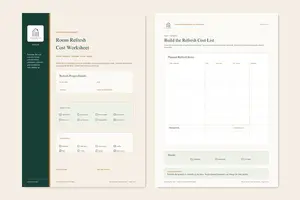
Room Refresh Cost Worksheet: Free Printable PDF | Houselyn
Free room refresh cost worksheet from Houselyn for estimating furniture, decor, delivery, labour and other refresh costs before you start spending.
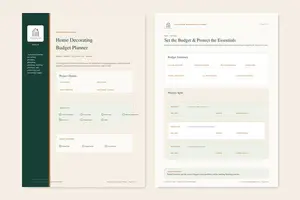
Home Decorating Budget Planner: Free Printable PDF | Houselyn
Free home decorating budget planner from Houselyn for setting priorities, allocating spending, tracking purchases and reviewing your decorating budget.