- Home
- Home Organization
- Closet Organization Ideas
25 Closet Organization Ideas to Maximize Space and Reduce Clutter
Simple closet storage solutions, decluttering tips, and organization systems to help you create a functional and easy-to-maintain closet.
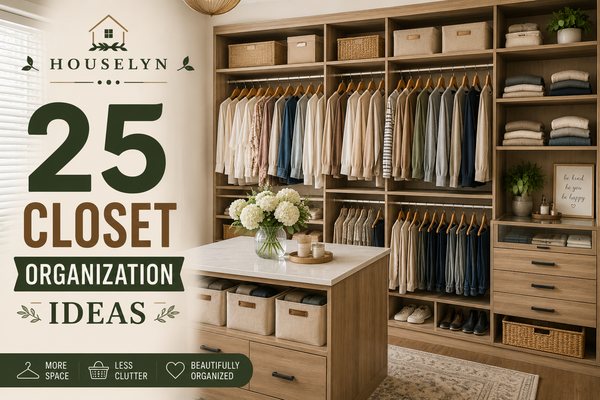 Beautiful organized closet with matching hangers, storage bins, folded clothing, and efficient storage systems.
Closet organization ideas can completely transform the way you start and end your day by making it easier to find clothing, reduce clutter, and maximize every inch of available storage space.
A closet should make your life easier, not create stress. Yet many closets become overcrowded with clothing, shoes, accessories, and miscellaneous items that no longer serve a purpose. Over time, even a large closet can begin to feel too small when there is no clear organization system in place.
The good news is that creating an organized closet does not require a custom renovation or expensive storage solutions. Simple changes such as decluttering, using matching hangers, grouping clothing by category, and creating designated storage zones can dramatically improve both functionality and appearance.
An organized closet offers several benefits. It saves time during busy mornings, helps you make better use of the clothing you already own, reduces duplicate purchases, and makes maintaining your wardrobe much easier.
Whether you have a spacious walk-in closet, a standard reach-in closet, or a compact bedroom wardrobe, the closet organization ideas in this guide will help you create a storage system that is practical, efficient, and easy to maintain.
By implementing these strategies, you'll spend less time searching for clothing and more time enjoying a clean, organized space that supports your daily routine.
Why Closet Organization Ideas Matter
A well-organized closet does much more than improve appearances. It can simplify your daily routine, reduce decision fatigue, and help you make better use of the clothing and accessories you already own.
One of the biggest advantages of closet organization is visibility. When clothing is organized properly, you can easily see what you have available. This reduces the common problem of wearing the same few outfits repeatedly while forgetting about other pieces hidden in the back of the closet.
Organization also helps maximize storage space. Many closets contain unused vertical space, overcrowded shelves, and inefficient storage systems. Small improvements can often create significantly more usable storage without requiring additional square footage.
Closet organization can also save money. When you know exactly what you own, you are less likely to purchase duplicate items or unnecessary clothing.
Perhaps most importantly, an organized closet creates a calmer start to the day. Instead of digging through cluttered shelves and crowded hanging rods, you can quickly locate what you need and move on with confidence.
The goal is not creating a perfect showroom closet. The goal is creating a functional space that supports your lifestyle and makes daily routines easier.
Affiliate Disclosure: This page may contain affiliate links. If you purchase through these links, Houselyn may earn a commission at no additional cost to you. As an Amazon Associate, Houselyn may earn from qualifying purchases.
1. Declutter Your Closet First
Before purchasing storage products or reorganizing shelves, the first step should always be decluttering.
Many closets contain clothing, shoes, and accessories that have not been worn in months or even years. These items take up valuable space and make organization more difficult.
Begin by removing everything from your closet or working through one section at a time.
As you sort through items, create four categories:
Keep
Items you wear regularly and genuinely enjoy.
Donate
Clothing and accessories in good condition that you no longer wear.
Sell
Higher-value items that still have resale potential.
Discard
Damaged, worn-out, or unusable items.
Ask yourself:
- Have I worn this in the last year?
- Does it fit comfortably?
- Would I buy it again today?
- Does it suit my current lifestyle?
Decluttering creates more storage space immediately and makes every other organization step easier.
Many people discover they need fewer organizers once unnecessary items have been removed.
2. Remove Clothes You No Longer Wear
One of the most common reasons closets become overcrowded is holding onto clothing that no longer serves a purpose.
These items may include:
- Clothes that no longer fit
- Outdated styles
- Damaged garments
- Duplicate items
- Impulse purchases
- "Just in case" clothing
While it can be difficult to let go of clothing, keeping items you never wear creates unnecessary clutter.
A helpful approach is the reverse hanger method.
Turn all hangers backward. After wearing an item, return it to the closet with the hanger facing the correct direction.
After several months, you'll clearly see which items are actually being worn.
This method provides valuable insight into your wardrobe habits and can make decluttering decisions easier.
Remember that an organized closet is not about owning less. It is about keeping what truly adds value to your life.
3. Organize Clothing by Category
Grouping similar clothing together is one of the simplest and most effective closet organization ideas.
Instead of mixing all garments together, create dedicated sections.
Examples include:
Tops
- T-shirts
- Blouses
- Shirts
Bottoms
- Jeans
- Trousers
- Skirts
Dresses
- Casual dresses
- Formal dresses
Outerwear
- Jackets
- Coats
- Blazers
Special Occasion Clothing
- Formalwear
- Event outfits
This system makes it easier to locate specific items and simplifies outfit planning.
Organizing by category also helps identify wardrobe gaps and prevent duplicate purchases.
For even greater efficiency, categories can be further organized by color.
4. Use Matching Hangers
One of the easiest ways to create a more organized and visually appealing closet is switching to matching hangers.
Mixed hanger styles create visual clutter and often waste valuable hanging space.
Benefits of matching hangers include:
Improved Appearance
Creates a clean, cohesive look.
More Hanging Space
Slim hangers take up less room.
Better Clothing Care
Appropriate hanger styles help garments maintain their shape.
Easier Organization
Clothing hangs evenly and remains more accessible.
Velvet slimline hangers are particularly popular because they prevent clothing from slipping while maximizing space.
While matching hangers may seem like a small detail, they can dramatically improve both the appearance and functionality of your closet.
💡 Houselyn Tip
When decluttering, focus on creating space rather than achieving a specific number of clothing items. A closet that contains only clothing you actually wear is easier to organize and maintain.
 Beautiful organized closet featuring matching velvet hangers, categorized clothing, and clutter-free wardrobe storage.
5. Organize Clothes by Season
One of the most effective closet organization ideas is organizing clothing by season. Many closets become overcrowded because every item is stored together year-round, regardless of whether it is currently being worn.
Seasonal organization helps free up valuable space and makes daily outfit selection easier.
For example:
Spring and Summer Clothing
- T-shirts
- Shorts
- Sundresses
- Lightweight jackets
Fall and Winter Clothing
- Sweaters
- Heavy coats
- Scarves
- Thermal layers
Keep current-season clothing in the most accessible areas of your closet and store off-season items on higher shelves, under-bed storage, or dedicated storage bins.
This simple strategy reduces visual clutter and allows you to focus on clothing that is relevant to the current season.
A seasonal closet reset two to four times per year can also be an excellent opportunity to declutter and reassess your wardrobe.
6. Create a Capsule Wardrobe Section
A capsule wardrobe is a carefully selected collection of versatile clothing that can be mixed and matched easily.
Even if you do not maintain a full capsule wardrobe, creating a dedicated capsule section in your closet can simplify everyday dressing.
A capsule wardrobe area may include:
- Neutral tops
- Everyday trousers
- Jeans
- Layering pieces
- Versatile dresses
- Essential outerwear
These are the items you wear most frequently and can combine into multiple outfits.
Keeping these pieces together makes getting dressed faster and helps reduce decision fatigue during busy mornings.
Many people find that their favorite outfits come from a relatively small percentage of their wardrobe.
A capsule section highlights these frequently worn pieces and helps you maximize their use.
7. Use Storage Bins on Upper Shelves
Upper closet shelves are often difficult to use efficiently because loose items become cluttered and difficult to access.
Storage bins solve this problem by creating defined categories and keeping shelves tidy.
Ideal items for upper-shelf storage include:
- Seasonal clothing
- Holiday accessories
- Handbags
- Extra bedding
- Special occasion items
- Memory boxes
Choose storage bins that fit your shelf dimensions and label them clearly.
Using matching bins creates a cleaner and more organized appearance while helping you locate items quickly.
Clear bins can improve visibility, while decorative bins can contribute to a more polished closet aesthetic.
This approach transforms underutilized shelves into highly functional storage areas.
8. Label Storage Containers
Labels are one of the simplest tools for maintaining closet organization.
Even the best storage system can become confusing if categories are not clearly identified.
Labeling helps ensure that every item returns to its proper location.
Examples of useful closet labels include:
Seasonal Clothing
Accessories
Handbags
Scarves
Workout Clothing
Special Occasion Wear
Labels are particularly valuable when multiple family members share storage spaces or when bins are stored on higher shelves.
You can use:
- Label makers
- Printable labels
- Chalkboard labels
- Handwritten tags
The goal is not perfection but consistency.
A clearly labeled closet is easier to maintain and far more efficient to use.
Recommended Amazon Finds: Closet Organization Essentials
Best for: maximizing closet space, improving clothing visibility, and creating an organized wardrobe system.
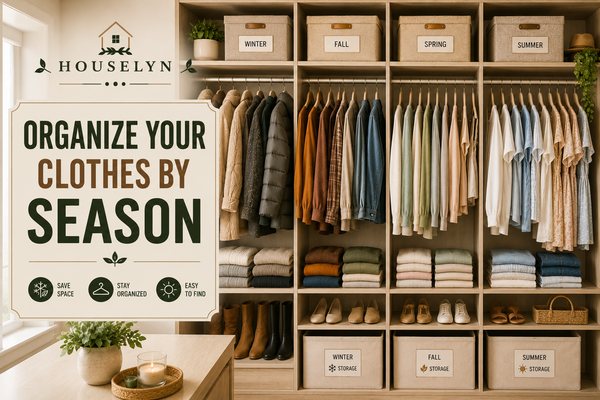 Organized closet featuring seasonal clothing storage, labeled bins, and efficient wardrobe organization systems.
Related Houselyn Guides
Build a more organized home with these popular Houselyn articles:
9. Store Shoes Efficiently
Shoes are often one of the biggest sources of closet clutter. Without a dedicated storage system, shoes can quickly pile up on the floor, making the closet look messy and reducing usable space.
One of the most effective closet organization ideas is creating a designated shoe storage area.
Popular shoe organization methods include:
Shoe Shelves
Perfect for displaying and accessing shoes easily.
Stackable Shoe Boxes
Protect footwear while maximizing vertical storage.
Over-the-Door Shoe Organizers
Ideal for smaller closets.Shoe Racks
A simple and affordable solution for everyday footwear.
To make shoe storage even more efficient, organize footwear by category:
- Everyday shoes
- Work shoes
- Athletic shoes
- Formal shoes
- Seasonal footwear
Keeping shoes grouped together improves visibility and makes it easier to find the pair you need.
A dedicated shoe system also helps protect your footwear and extend its lifespan.
10. Use Shelf Dividers
Closet shelves can quickly become messy when folded clothing, handbags, or accessories start leaning into one another.
Shelf dividers create structure and help maintain neat stacks.
They work particularly well for:
- Sweaters
- Jeans
- Handbags
- Towels
- Bedding
- T-shirts
Without dividers, stacks often collapse and create visual clutter.
Adding simple shelf dividers allows you to create separate categories while keeping shelves organized.
They are especially useful for smaller closets where every shelf needs to work efficiently.
Shelf dividers also make it easier to maintain organization because items remain contained within clearly defined sections.
11. Organize Accessories Together
Accessories are often small enough to become lost but important enough to create frustration when they cannot be found.
Creating a dedicated accessory zone helps keep these items visible and accessible.
Common accessory categories include:
Belts
Scarves
Hats
Jewelry
Sunglasses
Watches
Storage solutions may include:
- Small baskets
- Drawer organizers
- Hooks
- Hanging organizers
The key is grouping similar items together and assigning a dedicated storage location.
When accessories are organized properly, completing outfits becomes easier and closet clutter is reduced.
This simple system can save valuable time during busy mornings.
12. Create a Handbag Storage Area
Handbags often become difficult to store because of their size, shape, and variety.
Rather than placing bags randomly throughout the closet, create a dedicated handbag section.
Storage options include:
Shelf Storage
Store handbags upright on shelves.
Divided Shelf Sections
Use dividers to keep bags separated.
Storage Bins
Useful for seasonal or less frequently used bags.
Dust Bags
Help protect high-quality handbags from dust and damage.
Stuffing handbags with tissue paper or soft fabric can help them maintain their shape while in storage.
Organizing handbags by size, color, or frequency of use can make the system even more efficient.
A dedicated handbag zone creates a cleaner appearance while helping preserve your collection.
⚡ Quick Win
Spend 10 minutes today organizing your shoes into categories such as everyday, work, athletic, and formal. This simple change can immediately make your closet easier to navigate.
 Beautiful organized closet featuring handbag storage, accessory organizers, shoe storage, and shelf dividers.
Create a More Organized Bedroom
Closet organization works best when combined with an organized bedroom. Explore these helpful Houselyn guides:
13. Maximize Vertical Space
One of the most overlooked closet organization ideas is taking full advantage of vertical space.
Many closets contain significant unused storage above hanging clothing and on upper shelves. This valuable area can often store seasonal items, accessories, handbags, storage bins, and other infrequently used belongings.
Effective ways to maximize vertical space include:
Adding Additional Shelves
Extra shelves can dramatically increase storage capacity.Using
Stackable Storage Bins
Perfect for seasonal clothing and accessories.
Installing Hanging Organizers
Creates multiple storage compartments without requiring permanent modifications.
Utilizing Upper Closet Shelves
Ideal for storing items that are not used daily.
Vertical storage helps make better use of existing closet space while reducing clutter throughout the rest of the room.
For small closets, maximizing vertical storage is often the difference between a crowded closet and a highly functional one.
14. Add Extra Hanging Rods
Most closets contain a single hanging rod, but many wardrobes can benefit from additional hanging space.
Adding a second rod instantly increases storage capacity without requiring major renovations.
Double hanging systems work especially well for:
Shirts
Blouses
Trousers
Skirts
Children's Clothing
Longer items such as dresses and coats can remain on a single full-length hanging section, while shorter garments can be stored on double rods.
This strategy can nearly double hanging space in many closets.
Adjustable closet rod systems are particularly useful because they allow storage configurations to evolve as wardrobe needs change.
For smaller closets, extra hanging rods are one of the highest-impact organization improvements available.
15. Use Door Storage
Closet doors often provide valuable storage space that goes completely unused.
Adding door storage solutions can help maximize every inch of available space.
Popular door storage options include:
Hanging Shoe Organizers
Accessory Organizers
Jewelry Organizers
Scarf and Belt Holders
Storage Pockets
Door storage works especially well in compact closets because it provides additional organization without taking up shelf or hanging space.
The key is selecting lightweight storage solutions that do not interfere with opening and closing the door.
This simple upgrade can significantly increase storage capacity while helping reduce clutter.
Recommended Amazon Finds: Closet Storage Solutions
Best for: maximizing closet space, organizing shelves, and creating efficient clothing storage systems.
16. Organize Drawers Effectively
Closet drawers can quickly become messy when clothing and accessories are stacked without a system.
Creating designated categories inside drawers improves visibility and makes it easier to find what you need.
Common drawer categories include:
Socks
Underwear
Sleepwear
Workout Clothing
Accessories
Drawer dividers are particularly effective because they prevent categories from becoming mixed together.
Folding methods such as vertical folding can also improve visibility while maximizing storage space.
The goal is creating a system where every item has a dedicated location.
An organized drawer not only saves time but also makes maintaining your closet significantly easier.
💡 Houselyn Tip
Store your most frequently worn clothing between shoulder and waist height. This premium storage zone makes daily outfit selection faster and helps keep your closet organized.
17. Store Special Occasion Clothing Separately
Special occasion clothing often requires different storage considerations than everyday wardrobe items. Formal dresses, suits, evening wear, and event-specific outfits are typically worn less frequently, so they do not need to occupy premium closet space.
Creating a dedicated special occasion section is one of the most practical closet organization ideas because it keeps these items protected while freeing up room for everyday clothing.
Consider storing:
- Formal dresses
- Suits
- Wedding guest outfits
- Cocktail attire
- Seasonal event clothing
Garment bags can provide additional protection from dust, sunlight, and accidental damage.
If space allows, group these items together at one end of the closet. This makes them easy to locate when needed without cluttering your daily wardrobe area.
Keeping special occasion clothing separate also helps create a more streamlined closet that is easier to maintain.
Continue Your Organization Journey
Closet organization becomes even more effective when the surrounding spaces are organized too.
18. Organize Workout Clothes
Workout clothing is often stored in multiple locations throughout the home, making it difficult to find matching pieces when needed.
Creating a dedicated fitness clothing section simplifies your routine and helps encourage consistency with exercise habits.
Common workout categories include:
Tops
- Performance shirts
- Tank tops
Bottoms
- Leggings
- Shorts
- Joggers
Outerwear
- Hoodies
- Lightweight jackets
Accessories
- Gym bags
- Resistance bands
- Sports accessories
Drawer organizers, bins, and dedicated shelving can all help maintain order.
When workout clothes are stored together, preparing for exercise becomes faster and less stressful.
This system also makes it easier to see what items need replacing and helps prevent duplicate purchases.
19. Create a Laundry Preparation Zone
One often-overlooked closet organization idea is creating a small laundry preparation area.
Having a dedicated space for laundry-related tasks can help simplify household routines and reduce clutter elsewhere.
A laundry preparation zone might include:
Laundry Basket
For clothing that needs washing.
Dry Cleaning Basket
For garments requiring professional care.
Stain Treatment Products
Stored in a small container.
Lint Roller
For quick touch-ups before wearing clothing.
This area helps streamline wardrobe maintenance and prevents worn clothing from accumulating throughout the room.
Even a small basket or designated shelf can significantly improve closet functionality.
The goal is making it easier to maintain clothing and keep your wardrobe in excellent condition.
20. Keep Frequently Worn Items Accessible
One of the simplest ways to improve closet functionality is ensuring your most frequently worn items remain easy to access.
Every closet contains a small percentage of clothing that is worn most often.
These may include:
- Favorite jeans
- Everyday tops
- Work clothing
- Comfortable sweaters
- Frequently used shoes
Store these items in prime storage locations:
- Eye-level shelves
- Central hanging rods
- Easily accessible drawers
Less frequently used items can be stored on higher shelves or farther from the main closet access point.
This approach saves time and reduces frustration during busy mornings.
Keeping everyday essentials within easy reach is one of the most practical closet organization ideas because it improves daily efficiency without requiring additional storage products.
💡 Houselyn Tip
Pay attention to which clothing items you reach for most often. These pieces should always occupy your closet's most accessible storage areas. Let your daily habits guide your organization system.
 Beautiful organized closet featuring categorized clothing sections, matching hangers, and efficient wardrobe organization.
Related Bedroom Organization Guides
A well-organized closet works best as part of a fully organized bedroom.
21. Store Small Items in Baskets
Small closet items are often the first things to create clutter. Belts, scarves, socks, accessories, seasonal items, and miscellaneous wardrobe essentials can quickly become disorganized when they do not have designated storage locations.
One of the easiest closet organization ideas is using baskets to contain these smaller items.
Popular basket categories include:
Scarves
Belts
Socks
Hats
Gloves
Accessories
Seasonal Items
Baskets help keep similar items grouped together while making shelves look cleaner and more organized.
They also make it easier to remove an entire category when needed rather than searching through multiple storage areas.
For the best results, use matching baskets and label them clearly.
This simple solution can dramatically improve both the appearance and functionality of your closet.
22. Rotate Seasonal Clothing
Just as seasonal rotation helps maintain an organized wardrobe, it also helps maximize closet space throughout the year.
Many closets become overcrowded because every clothing item remains accessible year-round.
Instead, store off-season clothing separately.
Examples include:
Spring and Summer
- Shorts
- Lightweight tops
- Sundresses
Fall and Winter
- Heavy sweaters
- Coats
- Scarves
- Boots
At the beginning of each season, take time to rotate your wardrobe.
This process helps:
- Free up space
- Improve visibility
- Encourage decluttering
- Simplify outfit selection
Seasonal rotation is one of the most effective closet organization ideas because it ensures your closet always reflects your current wardrobe needs.
🚫 Common Mistake
Many people focus on buying organizers before reducing clutter. Storage products cannot solve an overcrowded closet. Always declutter first, then organize what remains.
23. Maintain a Donation Basket
One of the simplest ways to prevent closet clutter from returning is keeping a donation basket nearby.
Whenever you identify an item that no longer fits, no longer suits your style, or simply isn't being worn, place it directly into the donation basket.
Suitable items may include:
- Clothing
- Shoes
- Accessories
- Handbags
Once the basket becomes full, donate the contents to a local charity or community organization.
This habit creates a continuous decluttering system and prevents unwanted items from accumulating.
A donation basket also encourages more intentional shopping habits because it highlights what is truly being used.
Maintaining this simple system can dramatically reduce future closet clutter.
✓ Pro Organizer Tip
When purchasing new clothing, consider removing one existing item from your closet. This simple "one in, one out" rule helps prevent clutter from gradually returning.
24. Review Closet Contents Quarterly
Closet organization is not a one-time project.
Even the best systems require occasional maintenance to remain effective.
A quarterly closet review helps ensure your wardrobe continues to support your lifestyle and storage needs.
During each review:
Remove Unused Clothing
Check for Damaged Items
Reassess Storage Categories
Review Seasonal Clothing
Update Organization Systems
These reviews typically take far less time than a complete closet overhaul because clutter is addressed before it becomes overwhelming.
Quarterly maintenance helps keep your closet functional, organized, and easy to manage throughout the year.
25. Maintain Your Closet Organization Routine
The final and most important closet organization idea is maintaining the systems you create.
Organization is not about achieving perfection.
It is about building simple habits that support long-term success.
A weekly maintenance routine may include:
- Returning clothing to proper locations
- Hanging clean laundry immediately
- Putting shoes away
- Emptying donation baskets when needed
Monthly maintenance may include:
- Reviewing categories
- Reorganizing shelves
- Checking storage bins
- Rotating seasonal items
Consistency is what keeps a closet organized over time.
The most successful organization systems are the ones that feel easy to follow.
By maintaining simple routines, your closet can remain functional, organized, and stress-free throughout the year.
🚫 Common Mistake
Many people focus on buying organizers before reducing clutter. Storage products cannot solve an overcrowded closet. Always declutter first, then organize what remains.
✓ Pro Organizer Tip
When purchasing new clothing, consider removing one existing item from your closet. This simple "one in, one out" rule helps prevent clutter from gradually returning.
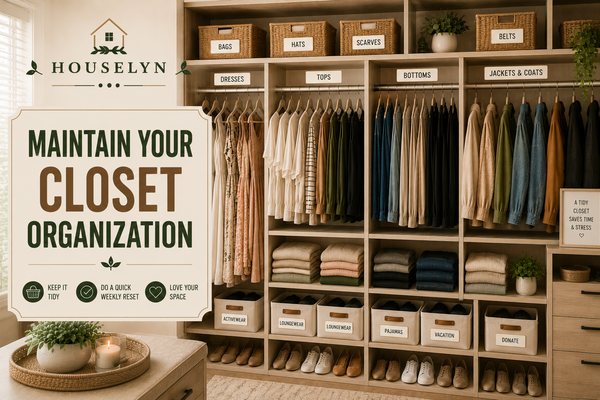 Beautiful organized closet featuring labeled baskets, categorized clothing, and easy-to-maintain wardrobe organization systems.
Closet Organization Ideas for Small Closets
Small closets can feel challenging to organize, but the right systems can make a dramatic difference. In fact, many of the best closet organization ideas were developed specifically to help maximize limited storage space.
The key is using every inch of available space efficiently.
Use Vertical Storage
One of the most effective strategies for small closets is maximizing vertical space.
Install:
- Additional shelves
- Hanging organizers
- Stackable bins
- Shelf dividers
Vertical storage helps you store more without increasing the closet footprint.Choose Slim Hangers
Slim velvet hangers take up significantly less space than bulky plastic or wooden hangers.
Switching to matching slim hangers can instantly create additional hanging room while improving the appearance of your closet.
Add a Second Hanging Rod
Many small closets have enough vertical space for a second rod.
This simple upgrade can nearly double hanging capacity for shorter clothing items such as shirts, blouses, skirts, and trousers.
Use Door Storage
The back of the closet door is valuable storage space.
Consider adding:Store Off-Season Clothing Elsewhere
- Shoe organizers
- Accessory storage
- Jewelry organizers
- Belt and scarf holders
If space is limited, move out-of-season clothing into storage bins under the bed or on upper shelves.
This keeps your closet focused on the clothing you actually wear right now.
Small closets work best when they remain highly edited and organized around daily needs.
Recommended Amazon Finds: Closet Maintenance Essentials
Best for: maintaining an organized wardrobe, reducing clutter, and keeping storage systems easy to manage.
Budget-Friendly Closet Organization Ideas
Creating an organized closet does not require expensive custom systems.
Some of the most effective closet organization ideas cost very little and can often be implemented using items you already own.
Declutter Before Buying Anything
The most affordable organization solution is removing items you no longer need.
Many storage problems disappear once unnecessary clothing and accessories are removed.
Repurpose Existing Baskets
Look around your home before purchasing organizers.
Baskets from other rooms can often be repurposed for closet storage.
Reuse Storage Containers
Existing storage bins, boxes, and containers can be used to organize:Create DIY Labels
- Accessories
- Seasonal clothing
- Shoes
- Handbags
Simple printable labels or handwritten tags can improve organization without adding significant cost.
Focus on Systems Before Products
A well-designed organization system is more important than expensive organizers.
Many professionally organized closets rely on simple, affordable storage solutions.
Start with what you have and upgrade gradually as your needs evolve.
Frequently Asked Questions
What are the best closet organization ideas?
What are the best closet organization ideas?
The best closet organization ideas include decluttering first, organizing clothing by category, using matching hangers, maximizing vertical space, adding shelf dividers, and maintaining a regular organization routine.
Simple systems are often the most effective because they are easier to maintain over time.
How do I organize a small closet?
How do I organize a small closet?
Small closets benefit from:
- Vertical storage
- Slim hangers
- Double hanging rods
- Shelf dividers
- Door storage
The goal is maximizing every inch while reducing unnecessary clutter.
Regular decluttering is especially important in small spaces.
How do I maximize closet storage?
How do I maximize closet storage?
Maximizing closet storage involves using available space more efficiently.
Effective strategies include:
- Adding extra shelves
- Installing hanging organizers
- Using storage bins
- Organizing by category
- Rotating seasonal clothing
- Using shelf dividers
These solutions help create more usable storage without requiring additional square footage.
What closet organizers work best?
What closet organizers work best?
Some of the most effective closet organizers include:
- Velvet hangers
- Shelf dividers
- Storage bins
- Hanging organizers
- Drawer dividers
- Shoe organizers
The best solution depends on your closet size, wardrobe, and storage needs.
How often should I declutter my closet?
How often should I declutter my closet?
Most closets benefit from a quick review every season and a more comprehensive decluttering session every three to six months.
Regular maintenance prevents clutter from accumulating and helps ensure your closet continues to support your lifestyle.
Final Thoughts on Closet Organization Ideas
Closet organization ideas can completely transform your daily routine by making it easier to find clothing, reduce clutter, and maximize available storage space.
The most important thing to remember is that organization does not happen all at once. Small improvements often produce the biggest long-term results.
Start with one shelf.
Declutter one clothing category.
Switch to matching hangers.
Create one storage zone.
These simple actions build momentum and make the overall project feel more manageable.
Remember that the best closet organization systems are not necessarily the most expensive. They are the systems that fit your lifestyle, support your daily habits, and remain easy to maintain.
By applying the closet organization ideas in this guide, you can create a closet that feels calmer, functions more efficiently, and supports your everyday routine.
If you have already completed our Bedroom Organization Ideas guide, closet organization is the perfect next step toward creating a more organized and stress-free bedroom.
Related Houselyn Guides
Continue creating a beautifully organized home with these helpful Houselyn guides:
Have A Great Story About This Topic?
Do you have a great story about this? Share it!
You might like these
27 Toy Storage Ideas to Organize Playrooms, Bedrooms and Family Spaces
Discover 27 toy storage ideas that help organize playrooms, kids’ bedrooms, living rooms, and family spaces while reducing clutter.
25 Pantry Organization Ideas to Create Beautiful and Functional Pantry
Discover 25 pantry organization ideas to maximize storage, reduce food waste, organize shelves, and create a beautiful, clutter-free pantry.