- Home
- Storage Ideas
- Shoe Storage Ideas
27 Shoe Storage Ideas to Organize Every Pair and Maximize Space
Discover smart shoe storage ideas that help organize sneakers, boots, heels, and everyday footwear while maximizing storage space in entryways, closets, bedrooms, and small homes
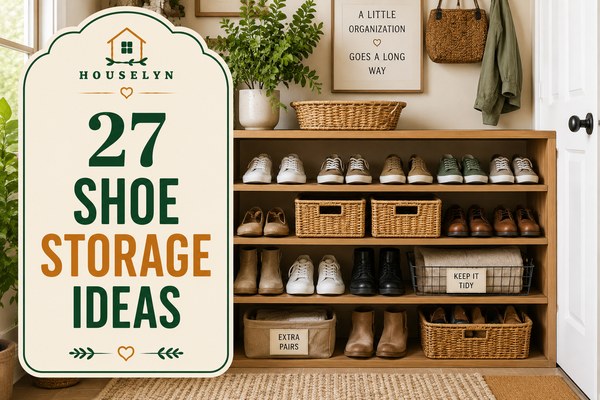 Beautiful shoe storage system featuring organized sneakers, boots, storage shelves, baskets, and space-saving shoe organization solutions.
Shoe storage ideas are one of the most practical ways to reduce clutter and make your home feel more organized.
Shoes tend to accumulate quickly. A few pairs near the front door can easily turn into dozens spread across entryways, closets, bedrooms, mudrooms, and hallways. Without a storage system, footwear often becomes one of the biggest sources of visual clutter in the home.
The challenge is that different shoes require different storage solutions. Everyday sneakers need quick access, boots require more vertical space, and seasonal footwear often needs long-term storage. A one-size-fits-all approach rarely works.
The good news is that effective shoe storage does not require a custom closet or expensive renovation. Smart organization systems such as shoe racks, storage benches, stackable containers, under-bed storage, and vertical organizers can dramatically improve both storage capacity and accessibility.
Whether you have a growing family, a small apartment, or a large shoe collection, these shoe storage ideas will help you organize every pair while maximizing available space.
WHY SHOE STORAGE MATTERS
An organized shoe storage system does more than improve appearance.
Benefits include:
- Reduced entryway clutter
- Faster morning routines
- Better protection for footwear
- More efficient use of storage space
- Easier cleaning
- Less household stress
A dedicated shoe storage system also helps extend the life of your footwear by keeping shoes protected, paired together, and properly stored.
Affiliate Disclosure: This page may contain affiliate links. If you purchase through these links, Houselyn may earn a commission at no additional cost to you. As an Amazon Associate, Houselyn may earn from qualifying purchases.
1. Use a Multi-Tier Shoe Rack
A multi-tier shoe rack is one of the simplest and most effective shoe storage ideas for keeping footwear organized.
Instead of leaving shoes scattered across the floor, a dedicated rack creates a clear home for every pair.
Benefits include:
- Better visibility
- Faster access
- Reduced clutter
- Improved floor space
Multi-tier racks work especially well for:
- Sneakers
- Flats
- Casual shoes
- Children's footwear
Choose a rack that matches the size of your household and available space.
2. Create an Entryway Shoe Station
The entryway is often where shoe clutter begins.
Creating a dedicated shoe station near the door helps contain footwear before it spreads throughout the home.
A functional shoe station may include:
- Shoe rack
- Storage bench
- Basket for accessories
- Tray for wet shoes
This system encourages family members and guests to store shoes immediately upon entering the home.
3. Store Seasonal Shoes Separately
Not every pair of shoes needs to be accessible year-round.
Off-season footwear can be moved to alternative storage locations such as:
- Under-bed storage
- Closet shelves
- Storage bins
- Vacuum-sealed containers
Examples include:
- Winter boots during summer
- Sandals during winter
- Special occasion footwear
Rotating seasonal shoes frees up valuable everyday storage space.
4. Use Clear Shoe Boxes
Clear shoe boxes make it easy to identify footwear without opening multiple containers.
Benefits include:
- Dust protection
- Better organization
- Easy visibility
- Stackable storage
They work particularly well for:
- Heels
- Dress shoes
- Collectible sneakers
- Special occasion footwear
This is one of the most practical shoe storage ideas for closets and bedrooms.
5. Add a Storage Bench for Shoes
A storage bench combines seating and storage in one space-saving solution.
It is especially useful for:
- Entryways
- Mudrooms
- Small apartments
- Family homes
Benefits include:
- Convenient place to sit while putting on shoes
- Hidden shoe storage
- Reduced clutter
- Improved functionality
Storage benches are one of the most versatile shoe organization solutions available.
🏡 Houselyn Observation
Most shoe clutter does not come from large collections. It usually comes from everyday shoes that never receive a designated storage location near the home's entrance.
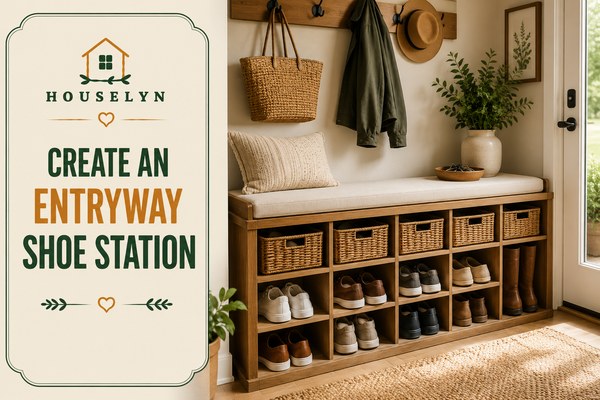 Beautiful organized entryway featuring a shoe station, storage bench, neatly arranged footwear, and clutter-free home organization.
Keep Organizing Your Home
These Houselyn guides pair perfectly with shoe organization:
6. Use Over-the-Door Shoe Organizers
When floor space is limited, the back of a door can become valuable storage real estate.
Over-the-door organizers work well for:
- Flats
- Sandals
- Children's shoes
- Slippers
- Lightweight footwear
Benefits include:
- Zero floor space required
- Easy visibility
- Quick access
- Better use of vertical storage
This solution is especially effective in apartments and small homes where every square foot matters.
7. Store Shoes by Category
One reason shoe storage systems fail is that every type of footwear gets mixed together.
Instead, organize shoes into categories such as:
- Sneakers
- Athletic shoes
- Sandals
- Boots
- Dress shoes
- Work shoes
Categorizing footwear makes it easier to find the right pair quickly and prevents storage areas from becoming chaotic.
8. Create a Family Shoe Zone
Families often struggle with shoe clutter because everyone's footwear ends up in the same area.
A dedicated family shoe zone can solve this problem.
Assign each household member:
- A shelf
- A basket
- A cubby
- A storage compartment
This creates accountability and helps maintain long-term organization.
9. Use Stackable Shoe Containers
Stackable containers are ideal when storage space is limited but shoe collections continue to grow.
Benefits include:
- Vertical storage
- Dust protection
- Easy organization
- Expandable storage system
These containers work particularly well in bedroom closets and guest room storage spaces.
10. Organize Shoes by Frequency of Use
Not every pair of shoes deserves prime storage space.
A practical system places:
Easy Access Area
- Daily sneakers
- Everyday footwear
- Work shoes
Secondary Storage Area
- Special occasion shoes
- Seasonal footwear
- Rarely used pairs
This system reduces frustration and improves daily efficiency.
⚡ Quick Win
Spend five minutes grouping all of your shoes into categories before buying any storage products. Many organization problems become easier to solve once you know exactly what types of footwear you own.
Recommended Amazon Finds: Shoe Storage Essentials
These storage products help keep footwear organized while maximizing available space.
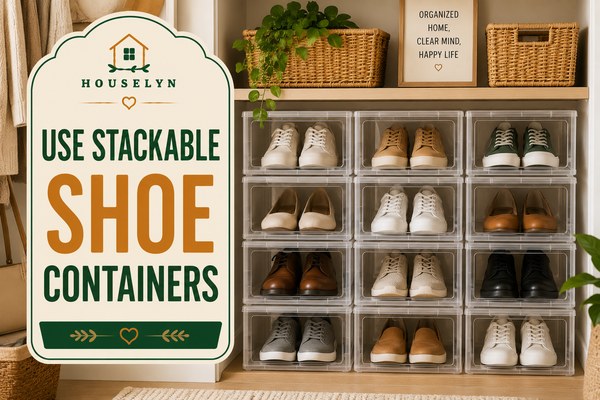 Beautiful organized shoe storage featuring stackable shoe containers, neatly arranged footwear, and space-saving organization solutions.
11. Use Under-Bed Shoe Storage
The space under a bed is often overlooked, yet it can provide valuable shoe storage.
Under-bed organizers work well for:
- Seasonal shoes
- Dress shoes
- Special occasion footwear
- Extra sneakers
Benefits include:
- Hidden storage
- Better use of unused space
- Reduced closet clutter
- Easy seasonal rotation
This solution is especially useful for apartments and small bedrooms.
12. Create a Boot Storage System
Boots can be difficult to store because of their height and shape.
Without proper storage, boots often collapse, wrinkle, or create clutter.
Consider using:
- Boot shapers
- Tall storage cubbies
- Dedicated boot racks
- Vertical storage shelves
A dedicated system helps protect your boots while keeping them organized and accessible.
13. Add Shoe Storage to a Closet Floor
Many closet floors become disorganized because shoes are simply placed wherever space is available.
Adding a structured storage solution helps maximize this area.
Options include:
- Low-profile shoe racks
- Shoe shelves
- Storage cubbies
- Stackable shoe containers
A designated shoe zone creates a cleaner and more efficient closet.
14. Use Shoe Storage Cabinets
Shoe cabinets provide hidden storage while maintaining a clean appearance.
They are ideal for:
- Entryways
- Hallways
- Apartments
- Small homes
Benefits include:
- Reduced visual clutter
- Better shoe protection
- Increased organization
- Space-saving design
Many modern shoe cabinets offer surprisingly large storage capacity while maintaining a slim footprint.
15. Store Special Occasion Shoes Separately
Special occasion shoes are often used only a few times each year.
Examples include:
- Wedding shoes
- Formal heels
- Dress shoes
- Event footwear
Storing these shoes separately helps free up everyday storage space while protecting less frequently used pairs.
Clear labeled containers work especially well for this purpose.
🏡 Houselyn Insight
The most successful shoe organization systems are designed around daily habits rather than storage capacity alone. Easy access to frequently worn shoes is often more important than fitting the maximum number of pairs into a space.
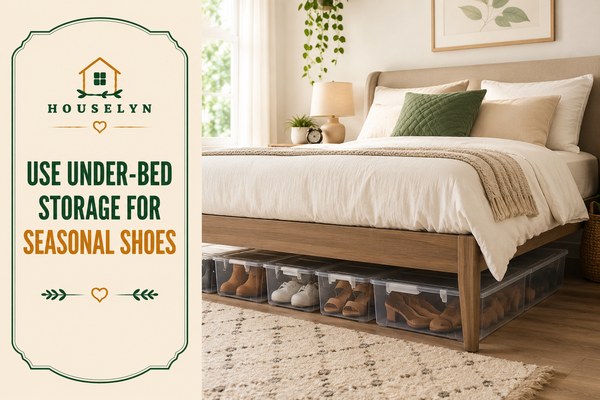 Beautiful under-bed shoe storage featuring organized seasonal footwear, storage containers, and space-saving organization solutions.
More Storage Solutions from Houselyn
Looking for more ways to maximize storage space? Explore these popular guides:
16. Use Vertical Shoe Shelving
When floor space is limited, vertical storage can dramatically increase shoe capacity.
Vertical shoe shelving works well for:
- Sneakers
- Flats
- Sandals
- Casual shoes
Benefits include:
- Better visibility
- More storage capacity
- Easier organization
- Improved use of wall space
Tall shelving units are especially useful in closets and mudrooms.
17. Organize Kids' Shoes Separately
Children's shoes can quickly create clutter because they are used frequently and often left near entrances.
Creating a dedicated children's shoe area helps maintain organization.
Options include:
- Individual cubbies
- Small baskets
- Low shelves
- Labeled storage bins
Keeping children's footwear separate also encourages independence and makes cleanup easier.
18. Create a Mudroom Shoe Storage Area
A mudroom can serve as a central location for family footwear.
A well-organized mudroom shoe system may include:
- Open shelving
- Storage benches
- Shoe trays
- Individual family cubbies
Containing footwear in one area helps prevent shoes from spreading throughout the home.
19. Use Labels for Family Storage Systems
Labels make shared shoe storage systems easier to maintain.
They work especially well for:
- Family cubbies
- Shoe baskets
- Storage shelves
- Seasonal storage bins
Labels help everyone know exactly where shoes belong, reducing clutter and improving long-term organization.
20. Rotate Footwear Seasonally
Many households keep every pair of shoes accessible year-round, even though some are only used during specific seasons.
Instead, rotate footwear throughout the year.
Examples include:
- Store winter boots during summer
- Store sandals during winter
- Move special occasion shoes to secondary storage
Seasonal rotation creates more space for everyday footwear and keeps storage systems manageable.
🚫 Common Mistake
Many people buy larger shoe storage systems before reducing the number of shoes they actually wear. Organizing becomes much easier when you first remove damaged, uncomfortable, or rarely used footwear.
Recommended Amazon Finds: Space-Saving Shoe Storage
These products help maximize storage while keeping footwear organized and easy to access.
21. Use Shoe Drawers
Shoe drawers provide hidden storage while keeping footwear protected from dust and visual clutter.
They work particularly well for:
- Dress shoes
- Flats
- Heels
- Special occasion footwear
Benefits include:
- Cleaner appearance
- Better organization
- Easy access
- Protection from dust
Shoe drawers are ideal for bedrooms, closets, and entryways where a streamlined look is preferred.
22. Store Athletic Shoes Together
Athletic footwear is often used more frequently than other types of shoes.
Creating a dedicated section for:
- Running shoes
- Walking shoes
- Gym shoes
- Sports footwear
makes it easier to find the correct pair quickly and helps maintain organization.
This system is especially useful for active households.
23. Create a Shoe Cleaning Station
A shoe storage system becomes more effective when maintenance supplies are stored nearby.
A simple shoe care station may include:
- Shoe brush
- Cleaning cloth
- Leather conditioner
- Sneaker cleaner
- Waterproofing spray
Keeping supplies together encourages regular shoe maintenance and helps extend the life of footwear.
24. Use Rolling Shoe Storage
Rolling storage containers can make use of difficult-to-reach areas.
They work particularly well:
- Under beds
- Inside closets
- In storage rooms
- Beneath shelving systems
Benefits include:
- Easy access
- Hidden storage
- Space efficiency
- Flexible organization
This is a practical solution for homes with limited storage space.
25. Organize Shoes by Color
For larger collections, organizing by color can improve visibility and create a more visually appealing storage system.
Examples include grouping:
- Black shoes together
- White shoes together
- Brown shoes together
- Bright colors together
While not necessary for every household, color organization can make selecting footwear easier.
26. Store Guest Footwear Separately
Some households keep extra slippers or guest footwear available for visitors.
Creating a dedicated storage area helps maintain organization.
Options include:
- Small baskets
- Storage bins
- Entryway cabinets
- Guest storage shelves
Keeping guest footwear separate prevents it from mixing with everyday shoes.
27. Build a Long-Term Shoe Storage System
The most successful shoe storage systems are simple enough to maintain year-round.
A long-term system should include:
- Clear categories
- Easy-access storage
- Seasonal rotation
- Regular decluttering
- Appropriate storage products
The goal is not simply fitting more shoes into a space.
The goal is creating a system that supports your daily routine and remains easy to maintain.
✓ Pro Organizer Tip
Professional organizers often recommend limiting prime-access storage to shoes worn at least once each week. This keeps everyday footwear easy to reach while reducing clutter in high-use areas.
Recommended Amazon Finds: Advanced Shoe Storage Solutions
These products help organize larger shoe collections while maximizing storage space.
- Shop Shoe Drawer Organizers on Amazon
- Shop Rolling Shoe Storage on Amazon
- Shop Shoe Care Kits on Amazon
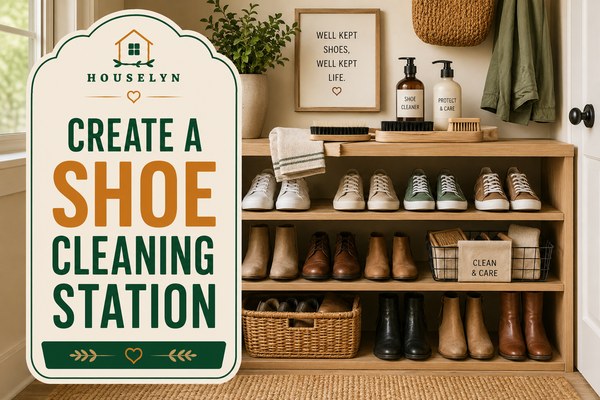 Beautiful shoe organization system featuring a shoe cleaning station, organized footwear, and practical storage solutions.
Shoe Storage Ideas for Small Spaces
Living in a small home, apartment, or condo does not mean you have to live with shoe clutter.
The key is choosing storage solutions that maximize vertical space, use overlooked areas, and keep everyday footwear accessible without overwhelming the room.
These shoe storage ideas are particularly effective for small spaces.
Use Vertical Storage Whenever Possible
Floor space is often limited in smaller homes, making vertical storage one of the most valuable organization strategies.
Consider using:
- Tall shoe racks
- Vertical shelving units
- Wall-mounted storage systems
- Over-the-door organizers
Vertical storage helps increase capacity without consuming additional floor space.
Store Shoes Under the Bed
The area beneath a bed can provide substantial storage for footwear.
Under-bed storage works especially well for:
- Seasonal shoes
- Dress shoes
- Special occasion footwear
- Backup pairs
Using this hidden space helps free up closet and entryway storage.
Choose Multi-Functional Furniture
Furniture that provides storage can help maximize every square foot.
Examples include:
- Entryway benches with storage
- Storage ottomans
- Bed frames with drawers
- Shoe storage cabinets
Combining storage and functionality helps reduce clutter while maintaining a clean appearance.
Limit the Number of Accessible Shoes
One common mistake in small spaces is keeping every pair immediately accessible.
Instead, keep only:
- Everyday shoes
- Current seasonal footwear
- Frequently used pairs
Store the remaining shoes in secondary storage areas.
This keeps storage systems manageable and prevents overcrowding.
Use Consistent Storage Containers
Matching containers create a cleaner appearance and often stack more efficiently than mixed storage solutions.
Benefits include:
- Better organization
- Easier stacking
- Improved visibility
- More efficient use of space
Consistency can make even a very small storage area feel more organized.
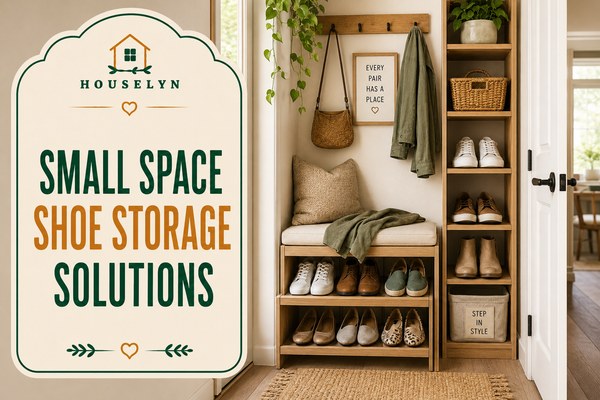 Beautiful small-space shoe storage featuring organized footwear, vertical storage systems, and space-saving organization solutions.
Budget-Friendly Shoe Storage Ideas
Organizing shoes does not require expensive custom closets or professional storage systems.
Many effective shoe storage solutions are affordable and easy to implement.
Start with Decluttering
Before purchasing any storage products, reduce the number of shoes that need to be stored.
Consider donating or recycling:
- Shoes that no longer fit
- Damaged footwear
- Uncomfortable pairs
- Duplicates
Decluttering often creates more storage space than buying new organizers.
Repurpose Items You Already Own
Many household items can be transformed into practical shoe storage.
Examples include:
- Storage baskets
- Plastic bins
- Wooden crates
- Bookshelves
- Storage cubes
Repurposing existing items helps reduce costs while improving organization.
Use Affordable Shoe Racks
Simple shoe racks remain one of the most cost-effective shoe storage solutions available.
Benefits include:
- Easy assembly
- Good visibility
- Flexible placement
- Low cost
Even a basic shoe rack can dramatically reduce clutter.
Focus on Function Before Appearance
Many people spend money on decorative storage before solving the underlying organization problem.
Start by creating:
- Categories
- Storage zones
- Daily-use areas
- Seasonal storage systems
Once the system works well, aesthetic upgrades can be added later.
Schedule Seasonal Decluttering
A regular review helps prevent shoe collections from growing beyond available storage space.
Twice each year:
- Evaluate shoe usage
- Remove damaged pairs
- Rotate seasonal footwear
- Adjust storage systems
This simple habit helps maintain long-term organization.
Shoe Storage Mistakes That Create Clutter
Even the best shoe storage products cannot solve organization problems if the underlying habits remain unchanged.
Many households continue to struggle with shoe clutter because they unknowingly make a few common storage mistakes.
Avoiding these mistakes can often have a greater impact than purchasing additional storage products.
Keeping Too Many Shoes in Active Storage
One of the biggest shoe organization mistakes is trying to keep every pair accessible at all times.
Most people wear only a small portion of their footwear collection regularly.
Keeping every pair near the entryway, in the closet, or on open shelves often leads to overcrowding.
Instead, separate footwear into categories:
- Daily-use shoes
- Seasonal footwear
- Special occasion shoes
- Backup pairs
Store only the shoes you regularly wear in prime-access storage areas.
Everything else can be moved to secondary storage locations.
This simple change can dramatically reduce clutter.
Buying Storage Before Decluttering
Many people purchase organizers before evaluating what they actually need to store.
This often leads to:
- Oversized storage systems
- Wasted money
- Poor storage layouts
- Continued clutter
Before buying any new storage product:
- Gather all shoes together
- Sort by category
- Remove damaged pairs
- Donate unused footwear
- Identify actual storage needs
Once you know exactly what remains, it becomes much easier to choose the right storage solution.
Mixing Every Type of Shoe Together
A storage system becomes difficult to maintain when all footwear is stored in the same location without categories.
For example:
- Running shoes
- Work shoes
- Sandals
- Boots
- Formal shoes
all have different storage requirements.
Creating categories helps:
- Improve visibility
- Reduce searching
- Simplify maintenance
- Increase storage efficiency
The more clearly defined the categories are, the easier the system becomes to manage.
Ignoring Seasonal Rotation
Seasonal rotation is one of the most overlooked shoe organization strategies.
Keeping winter boots, summer sandals, and special occasion footwear accessible year-round consumes valuable storage space.
Instead:
- Store winter footwear during warm months
- Store summer footwear during cold months
- Move occasional-use shoes to secondary storage
This creates more room for the shoes you actually wear every day.
Not Creating a Family System
In family homes, shoe clutter often returns because there is no shared storage system.
Without designated spaces:
- Shoes collect near entrances
- Pairs become separated
- Storage systems break down quickly
Creating a family system may include:
- Individual cubbies
- Labeled shelves
- Personal baskets
- Assigned storage zones
When every family member knows where their shoes belong, maintaining organization becomes much easier.
Forgetting to Maintain the System
Even the best storage setup requires occasional maintenance.
Many organization systems fail because they are never reviewed after the initial setup.
Simple maintenance tasks include:
- Returning misplaced shoes
- Removing worn-out footwear
- Rotating seasonal pairs
- Cleaning storage areas
- Updating categories as needs change
A few minutes each month can prevent clutter from building up again.
🔑 Houselyn Storage Secret
The most organized homes are not the homes with the most storage. They are the homes where every frequently used item has an obvious, easy-to-maintain storage location.
How to Maintain an Organized Shoe Collection Year-Round
Creating an organized shoe storage system is only the first step.
The real challenge is keeping it organized over time.
Fortunately, long-term maintenance is often much easier than the initial organization process.
Schedule a Monthly Shoe Reset
A monthly review can prevent clutter from becoming overwhelming.
Tasks may include:
- Returning misplaced shoes
- Cleaning storage shelves
- Removing unnecessary items
- Checking seasonal storage areas
Regular maintenance helps keep small problems from becoming larger ones.
Perform Seasonal Shoe Audits
At the beginning of each season, review your footwear collection.
Ask yourself:
- Did I wear these shoes last season?
- Are they still comfortable?
- Are they still in good condition?
- Do they fit my lifestyle?
This process helps prevent unnecessary accumulation.
Keep Entryways Clear
The entryway is often the first place where shoe clutter returns.
Make it a habit to:
- Put shoes away immediately
- Return pairs to designated storage areas
- Remove out-of-season footwear
Small daily habits create long-term results.
Update Storage as Needs Change
Storage systems should evolve with your household.
For example:
- Growing families may need additional cubbies
- Children may outgrow existing storage systems
- New hobbies may require specialized footwear storage
Adjusting storage when needs change helps maintain organization.
Focus on Habits Rather Than Products
Many people believe the next organizer will solve their storage problems.
In reality, habits are usually more important than products.
Successful shoe organization depends on:
- Consistency
- Clear categories
- Regular maintenance
- Realistic storage systems
The simpler the system, the more likely it is to succeed long term.
Conclusion
Shoe storage ideas can have a surprisingly large impact on the organization and functionality of your home.
When shoes are left scattered across entryways, bedrooms, closets, and hallways, they create visual clutter and make daily routines more frustrating. A well-designed storage system helps keep footwear organized, protects your investment, and makes it easier to find the right pair when you need it.
The most effective shoe storage systems share several important characteristics:
- They are easy to use every day.
- They match the size of the shoe collection.
- They include dedicated categories.
- They support seasonal rotation.
- They are simple to maintain.
Remember that successful shoe organization is not about fitting the largest possible number of shoes into a space. It is about creating a practical system that works with your lifestyle and daily habits.
Whether you choose a simple shoe rack, a storage bench, clear containers, vertical shelving, or under-bed storage, the best solution is the one you will consistently use.
Start by organizing the shoes you wear most often. Create clear categories, remove unnecessary pairs, and build a storage system that is realistic for your home.
Small improvements today can create a cleaner, calmer, and more organized home for years to come.
Frequently Asked Questions
What are the best shoe storage ideas for small spaces?
What are the best shoe storage ideas for small spaces?
The best shoe storage ideas for small spaces focus on maximizing vertical and hidden storage areas.
Popular options include:
- Over-the-door shoe organizers
- Under-bed storage containers
- Vertical shoe racks
- Storage benches
- Stackable shoe boxes
These solutions help increase storage capacity without taking up valuable floor space.
How many pairs of shoes should I keep?
How many pairs of shoes should I keep?
There is no perfect number, but many professional organizers recommend keeping only the shoes that fit your current lifestyle.
A good approach is to keep:
- Frequently worn shoes
- Seasonal essentials
- Special occasion footwear you actually use
Consider donating or recycling shoes that are uncomfortable, damaged, or have not been worn in several years.
What is the best way to store seasonal shoes?
What is the best way to store seasonal shoes?
Seasonal shoes should be moved out of active storage areas when not in use.
Good storage options include:
- Under-bed storage containers
- Clear shoe boxes
- Closet shelves
- Storage bins
Labeling containers makes seasonal rotation much easier.
Should shoes be stored in boxes?
Should shoes be stored in boxes?
Boxes can be useful for protecting shoes from dust and damage.
Clear shoe boxes are particularly effective because they:
- Protect footwear
- Allow visibility
- Stack easily
- Create a more organized appearance
They work especially well for dress shoes, heels, and collectible footwear.
How do I keep an entryway free of shoe clutter?
How do I keep an entryway free of shoe clutter?
The most effective solution is creating a dedicated entryway shoe station.
This may include:
- A shoe rack
- A storage bench
- Individual family cubbies
- Shoe trays
When every pair has a designated location near the entrance, clutter becomes much easier to control.
What shoes should be stored in easy-access areas?
What shoes should be stored in easy-access areas?
Prime storage locations should be reserved for shoes worn most often.
Examples include:
- Everyday sneakers
- Work shoes
- School shoes
- Frequently worn casual footwear
Special occasion shoes and seasonal footwear can be stored in secondary locations.
Related Houselyn Guides
Continue organizing your home with these Houselyn storage and organization resources:
Have A Great Story About This Topic?
Do you have a great story about this? Share it!
You might like these
27 Toy Storage Ideas to Organize Playrooms, Bedrooms and Family Spaces
Discover 27 toy storage ideas that help organize playrooms, kids’ bedrooms, living rooms, and family spaces while reducing clutter.
25 Bedroom Decor Ideas to Create a Cozy and Stylish Retreat | Houselyn
Discover 25 bedroom decor ideas to create a cozy, stylish, and relaxing retreat. Find decorating tips, inspiration, storage solutions, and bedroom styling ideas.