Living Room Decor Ideas: How to Create a Stylish & Comfortable Space
Whether you're decorating your first home or refreshing a room you've loved for years, this guide will help you create a living room that feels comfortable, stylish, and practical. You'll learn timeless decorating principles, understand why good design works, and discover realistic ideas you can confidently apply in your own home—without feeling pressured to follow every trend or replace everything you already own.
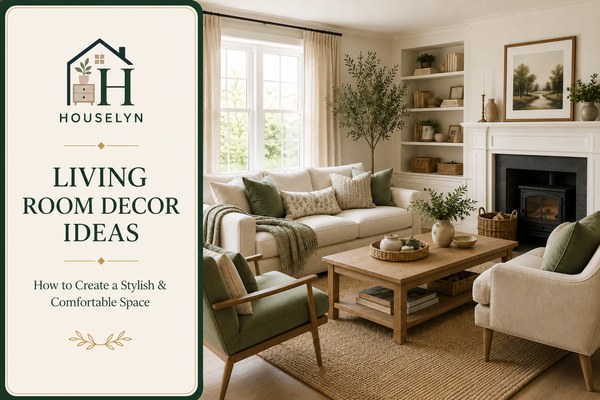 Beautiful living room featuring warm neutral décor, timeless styling, natural textures, comfortable seating, and elegant Houselyn-inspired interiors.
The living room is often the heart of the home. It's where families gather after long days, friends share conversations over coffee, children build blanket forts on rainy afternoons, and quiet evenings end with a favourite book or film. More than any other room, it needs to balance comfort, function, and personality.
Yet decorating a living room can feel surprisingly overwhelming. Many people start by buying a new sofa, changing the paint colour, or adding a few decorative accessories, only to discover that the room still doesn't feel quite right. The problem usually isn't a lack of beautiful furniture—it's that the room hasn't been designed to work as one complete space.
Imagine walking into a living room where every piece feels connected. The seating naturally encourages conversation, the lighting changes effortlessly from bright mornings to cosy evenings, colours flow harmoniously throughout the room, and every decorative detail has a purpose. Nothing feels overcrowded, yet the room still feels warm, personal, and inviting.
That's the difference thoughtful decorating can make.
At Houselyn, we believe a beautiful living room isn't created by spending the most money. It's created by making better decisions. Understanding how furniture should be arranged, why lighting changes the atmosphere, how texture creates warmth, and how carefully chosen accessories give a room its personality will always have a greater impact than simply buying more decorations.
Throughout this guide, we'll walk through each stage of creating a living room you'll genuinely enjoy living in. You'll learn practical decorating techniques, see realistic examples, avoid common mistakes, and understand the design principles that professional interior designers use every day—but explained in a way that's easy to apply in real homes.
Whether your style is modern, timeless, cosy, or somewhere in between, you'll finish this guide with the confidence to create a living room that's not only beautiful to look at, but comfortable to live in every single day.
CHAPTER 1
Create a Living Room That Feels Like Home
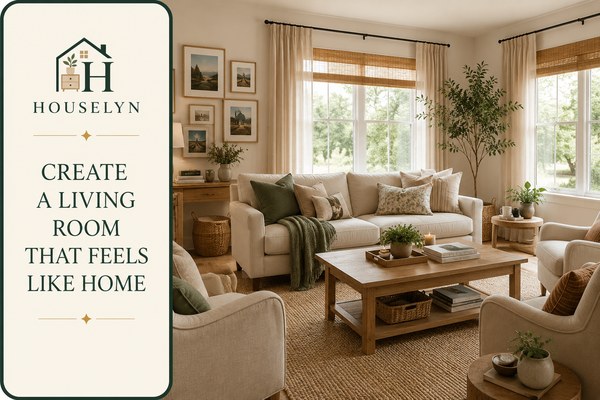 A welcoming family living room with warm neutral décor, comfortable seating, layered lighting, and timeless styling.
A beautiful living room doesn't begin with a new sofa, expensive artwork, or the latest decorating trend. It begins with a simple question:
How do you want this room to make you feel?
That question often changes everything.
Many people start decorating by choosing colours or buying furniture they admire online. While there's nothing wrong with gathering inspiration, copying a picture rarely produces the same result because your home has its own architecture, lighting, layout, and lifestyle. The most successful living rooms aren't replicas of someone else's—they're designed around the people who live in them.
Imagine two neighbouring homes with identical floor plans. In the first, the living room is dominated by oversized furniture that makes the space feel cramped. The television is the only focal point, lighting comes from a single ceiling fixture, and decorative accessories have been added one at a time without any real plan. Although every item may have looked attractive in the shop, together the room feels disconnected and uncomfortable.
Next door, the second family has taken a different approach. Before buying anything new, they thought about how they actually use the room. Evenings are spent reading, weekend afternoons are filled with board games, and friends often visit for coffee. Instead of squeezing in as much furniture as possible, they chose pieces that supported those activities. A comfortable sofa faces two inviting armchairs, a large rug brings everything together, and soft lighting creates a welcoming atmosphere long after the sun goes down.
The difference isn't budget—it's intention.
At Houselyn, we believe every decorating decision should have a purpose. A coffee table should encourage conversation without interrupting movement through the room. A rug should define the seating area rather than simply fill empty floor space. Lighting should make the room adaptable, allowing it to feel bright and energising in the morning yet warm and relaxing in the evening. When every element serves both a practical and visual role, the entire room begins to feel balanced.
Another mistake many homeowners make is trying to finish the room all at once. It's tempting to buy matching furniture sets, identical accessories, and every decorative item in a single shopping trip. In reality, the most inviting living rooms usually evolve over time. A favourite chair picked up years ago, a framed holiday photograph, a handmade ceramic vase, or books collected over a lifetime all contribute to a space that feels personal rather than staged.
Think of your living room as a story rather than a showroom. Every piece should add a new chapter, reflecting the people, memories, and routines that make your home unique.
Before moving furniture or buying something new, spend a few days observing how the room is used. Notice where family members naturally sit, which areas receive the most daylight, and where clutter tends to collect. These everyday patterns reveal opportunities that no catalogue or mood board can show. Designing around real life almost always produces a room that feels more comfortable and functions better than one designed purely for appearance.
By starting with purpose instead of products, you'll create a strong foundation for every decorating decision that follows. In the next chapter, we'll look at one of the most important aspects of any successful living room: choosing a layout that makes the space feel open, welcoming, and easy to live in.
Chapter 2
LIVING ROOM LAYOUT
Design a Layout That Brings Your Living Room to Life
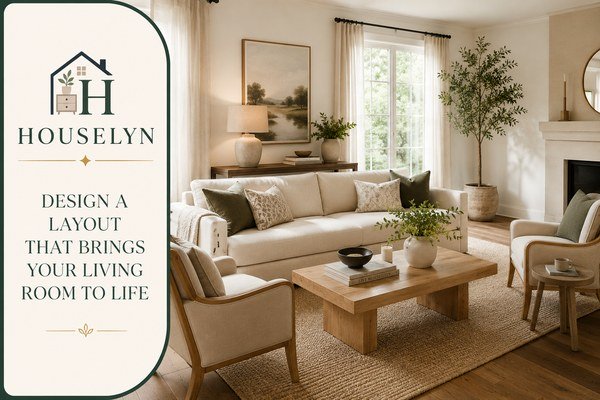
A living room layout does more than decide where the sofa goes. It shapes how people move, gather, relax, and use the room every day. Even a beautifully decorated space can feel uncomfortable if the furniture blocks natural walkways, the seating feels too far apart, or the main focal point is unclear.
Think of a family living room where the sofa is pushed tightly against one wall, the chairs face away from each other, and the coffee table sits too far from the seating. Nothing is technically wrong, but the room feels awkward. Guests do not know where to sit, conversation feels forced, and the space never becomes the warm gathering place the family hoped for.
Now imagine the same room after a few thoughtful layout changes. The sofa is moved slightly inward, two chairs are angled toward it, a large rug anchors the seating area, and a coffee table sits within easy reach. Suddenly, the room feels intentional. People naturally face one another, movement becomes easier, and the living room begins to feel like a place designed for connection.
🌿 Houselyn Insight
A good living room layout should guide people naturally. If guests know where to sit, how to move through the room, and where the room’s focus is, the layout is already doing its job.
Start by identifying the room’s main purpose. Is it for family evenings, entertaining, reading, watching television, or a mixture of everything? Once you know the purpose, arrange furniture around that experience rather than around empty walls.
In many homes, the best living room layouts begin with a clear focal point. This could be a fireplace, a large window, a television, a feature wall, or even a beautiful coffee table arrangement. Once the focal point is clear, the seating can support it without making the room feel stiff or overly formal.
✅ Quick Win
Before buying anything new, move your existing furniture away from the walls by a few inches or angle one chair toward the main seating area. This small adjustment can make the room feel warmer and more conversational immediately.
Keep walkways clear and comfortable. People should be able to move through the living room without squeezing around furniture or stepping over rugs and tables. If a room feels cramped, the issue is often not the size of the room but the way the furniture is positioned.
A large rug can also transform the layout. Instead of making the furniture look like separate pieces floating around the room, a properly sized rug visually connects the sofa, chairs, and coffee table into one defined seating zone. This is why rugs are especially useful in open-plan homes, where the living room needs to feel distinct without using walls.
🏡 Continue Your Decorating Journey
If you are planning your full room from scratch, start with our main guide to home decor principles before choosing furniture or accessories.
Once the layout feels right, the rest of the decorating process becomes easier. Seating, lighting, rugs, storage, and accessories all work better when the room already has a clear structure. In the next section, we’ll build on this foundation by creating a seating area that people naturally want to gather around.
Continue Your Houselyn Journey
If you're planning your full living room from the ground up, these guides will help you understand the wider decorating principles behind a beautiful home.
Chapter 3
COMFORTABLE SEATING
Create a Seating Area Everyone Wants to Gather Around
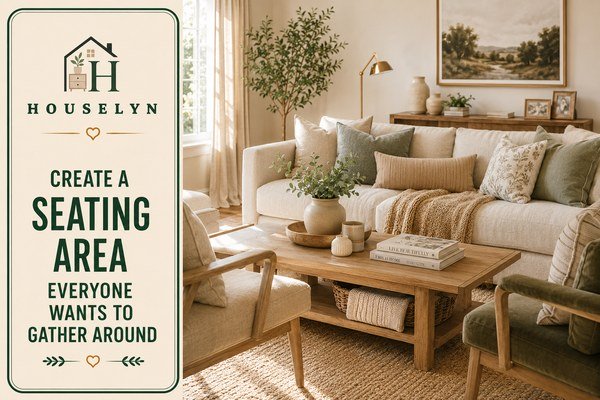
Once your layout is working, the next step is creating a seating area that feels genuinely comfortable. A living room should not only look beautiful in photographs; it should invite people to sit down, relax, talk, read, watch a film, or spend time together without feeling stiff or staged.
A common mistake is choosing seating based only on appearance. A sofa may look elegant online, but if it is too firm, too deep, too low, or too large for the room, it can quickly become frustrating. Good seating should suit both the size of the space and the way your household actually lives.
For example, a young family may need durable fabric, rounded edges, and enough seating for movie nights. A couple in a small flat may prefer a compact sofa, one accent chair, and a slim coffee table to keep the room open. Someone who loves entertaining may benefit from extra occasional chairs or pouffes that can be moved around when guests arrive.
⚠️ Common Decorating Mistake
Buying the largest sofa that fits the wall often makes a living room feel smaller. Leave breathing space around furniture so the room feels balanced, not crowded.
Comfort also comes from layering. Cushions soften the look of a sofa, throws add warmth, and an area rug helps the seating feel anchored rather than scattered. The goal is not to pile on accessories, but to create enough softness that the room feels welcoming.
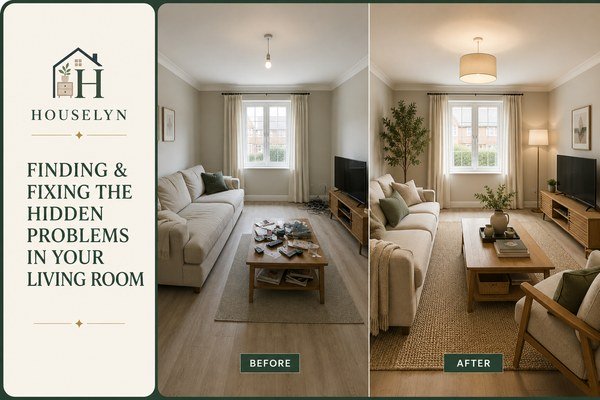
Before and after makes the difference clear. Before, a living room may have a sofa pushed against the wall, one hard chair, and no soft furnishings. After, the same room can feel transformed with a better-sized sofa, one comfortable accent chair, a textured throw, cushions in related tones, and a coffee table placed within easy reach.
When choosing seating, think about scale first. The sofa should feel generous enough to use comfortably but not so dominant that it controls the entire room. Accent chairs should support conversation, not simply fill corners. Coffee tables should sit close enough to be useful but still leave enough room to move around.
🛍️ Houselyn Recommended Comfortable Seating Essentials
After planning your layout, these essentials can help you create a seating area that feels comfortable, balanced, and ready for everyday living.
- Sofas – Choose a size and shape that supports how your household relaxes.
- Accent Chairs – Add flexible seating and help create a conversational layout.
- Coffee Tables – Anchor the seating area and keep everyday items within reach.
- Throw Pillows – Add comfort, colour, and softness without changing large furniture.
- Throws – Bring warmth and texture to sofas, armchairs, and reading corners.
Choose seating pieces that make your living room easier to enjoy, not simply more decorated.
A good seating area should make people feel invited. When the sofa, chairs, table, rug, and soft furnishings work together, the living room becomes more than a decorated space. It becomes a place where people naturally want to gather.
CHAPTER 4
HOUSELYN RECOMMENDS
Bring the Look Home
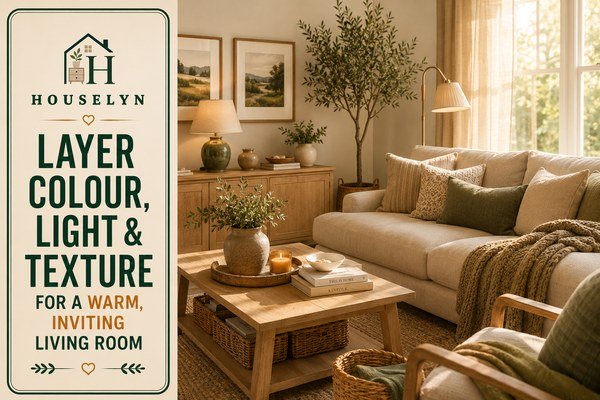
Creating a warm, inviting living room doesn't happen by buying everything at once. It comes from choosing quality pieces that work together over time. If you're ready to recreate the layered look we've explored in this chapter, these carefully selected essentials are an excellent place to begin.
🧶 Area Rugs
A large rug visually connects your seating area, softens hard flooring, and makes the entire room feel grounded and complete.
💡 Layered Lighting
Combine floor lamps and table lamps to create a softer atmosphere that changes naturally from daytime to evening.
🪟 Linen Curtains
Light-filtering curtains soften daylight during the day while adding texture and elegance to your living room.
🛋 Textured Cushion Covers
Mix woven fabrics, boucle, linen, and soft neutrals to introduce depth without making the room feel busy.
Houselyn Tip: Start with one or two quality upgrades rather than replacing everything at once. Layering your room gradually often creates a more personal and timeless result.
Explore More Colour & Comfort Inspiration
Once you understand colour, lighting, and texture in the living room, you can apply the same comfort-led thinking to other rooms in your home.
CHAPTER 5
CHAPTER 6
Make Your Home Easier to Live In
Many living room problems are connected to everyday clutter and storage. These guides will help you create practical systems that support a calmer home.
CHAPTER 7
Living Room Decor Ideas: Frequently Asked Questions
How can I make my living room look expensive without spending a lot of money?
Start with the details that create the biggest visual change: a larger rug, better lighting, fewer accessories, and a calmer colour palette. A room often looks more expensive when it feels intentional, not crowded. Use matching tones, hide visible cables, style the coffee table with a tray, and leave breathing space around your favourite pieces.
What is the biggest mistake people make when decorating a living room?
The biggest mistake is decorating before planning the layout. If the sofa, chairs, rug, and lighting are not working together, accessories will not fix the room. Always begin with how people move, sit, talk, and relax in the space.
How do I decorate a small living room without making it feel crowded?
Choose furniture with slimmer profiles, keep walkways clear, use one strong focal point, and avoid filling every corner. A properly sized rug, wall-mounted storage, mirrors, and layered lighting can help the room feel more open without losing warmth.
Should every piece of living room furniture match?
No. Matching everything can make a living room feel flat or showroom-like. Instead, aim for pieces that relate through colour, material, shape, or style. A natural oak coffee table, cream sofa, woven rug, and warm brass lamp can feel connected without being identical.
How many cushions should a sofa have?
For most sofas, three to five cushions are enough. Use different sizes and textures, but keep the colours connected. Too many cushions can make the sofa difficult to use, while too few may leave it feeling unfinished.
How do I choose the right rug size for my living room?
A living room rug should connect the main seating area. Ideally, at least the front legs of the sofa and chairs should sit on the rug. A rug that is too small can make furniture look disconnected, while a larger rug helps the room feel grounded and complete.
What is the best lighting for a cosy living room?
The best cosy lighting is layered. Use a mix of ceiling lighting, floor lamps, table lamps, and soft accent lighting. Warm bulbs usually feel more relaxing than bright white bulbs, especially in the evening.
How do I know when my living room is finished?
Use the Houselyn Five-Second Test. Stand at the doorway and look at the room for five seconds. If your eye moves naturally, the room feels calm, and every major item has a purpose, the space is likely close to finished. If something feels distracting, start there.
Can I mix modern and traditional furniture in the same living room?
Yes. Mixed styles often create a more personal room. The key is to repeat at least one connecting element, such as wood tone, colour, fabric, or shape. This helps different pieces feel intentional rather than random.
Where should I start if I am decorating my living room from scratch?
Start with the foundation: layout, seating, rug size, and lighting. Once those are working, add comfort through cushions, throws, curtains, and texture. Finish with personality through artwork, plants, books, trays, and meaningful accessories.
You might like these
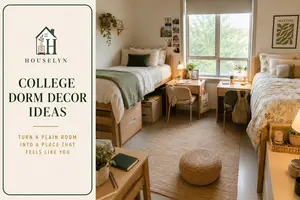
College Dorm Decor Ideas That Feel Like Home | Houselyn
Discover college dorm decor ideas for colour, bedding, walls and personal touches that turn a plain student room into warm, stylish place that feels like home
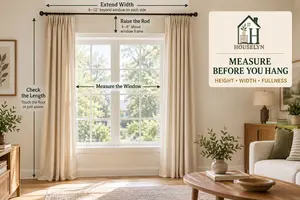
Curtain Height and Width Rules: How to Measure | Houselyn
Learn curtain height and width rules for rod placement, panel width, fullness, floor length and accurate curtain measurements for a polished fit.