- Home
- Home Organization
- Home Office Organization Ideas
25 Home Office Organization Ideas for a Productive and Clutter-Free Workspace
Smart storage solutions, desk organization systems, and productivity-boosting ideas to help you create a clean, organized, and efficient home office.
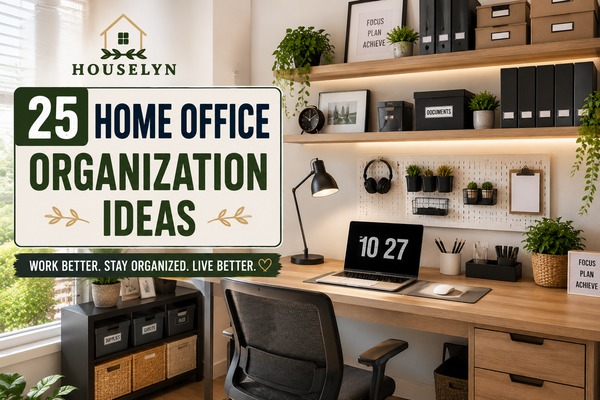 Beautiful organized home office featuring desk organization, storage systems, shelving, cable management, and productivity-focused workspace design.
Home office organization ideas can dramatically improve productivity, reduce distractions, and help you create a workspace that supports focused and efficient work.
Whether you work remotely full-time, run a business from home, manage household tasks, or simply need a dedicated place for paperwork and planning, an organized office makes a significant difference.
Without proper organization, desks become cluttered, paperwork gets misplaced, cables become tangled, and valuable time is wasted searching for supplies.
A well-organized home office creates structure, improves workflow, and helps reduce mental clutter. The goal is not just creating a beautiful workspace but designing a system that supports your daily routines.
The good news is that you do not need a large room or expensive furniture to build an efficient office. Smart storage solutions, clear categories, and simple organization habits can transform almost any space into a productive work environment.
In this guide, you'll discover 25 practical home office organization ideas that will help you reduce clutter, improve focus, and create a workspace that works as hard as you do.
Why Home Office Organization Ideas Matter
An organized workspace supports productivity, efficiency, and focus.
Benefits include:
- Reduced distractions
- Better workflow
- Faster access to supplies
- Improved time management
- Less visual clutter
- Increased productivity
- More professional workspace
A clean and organized office environment often leads to better work performance and less stress throughout the day.
Affiliate Disclosure: This page may contain affiliate links. If you purchase through these links, Houselyn may earn a commission at no additional cost to you. As an Amazon Associate, Houselyn may earn from qualifying purchases.
1. Declutter Your Desk Completely
The foundation of every productive workspace starts with a clutter-free desk.
One of the most effective home office organization ideas is removing everything from your desk and rebuilding the space intentionally.
Many desks become crowded with:
Old Notes
Unused Office Supplies
Paper Clutter
Empty Packaging
Random Household Items
Unused Electronics
When too many items compete for attention, productivity often suffers.
Start by removing everything and sorting items into categories:
Keep
Items used daily.
Store
Items used occasionally.
Relocate
Items that belong elsewhere.
Discard
Items that are no longer needed.
Once clutter is removed, only return the items that actively support your work.
A clean desk helps reduce visual distractions and creates a calmer, more focused work environment.
2. Create Dedicated Work Zones
One of the smartest home office organization ideas is dividing your workspace into functional zones.
Rather than keeping everything in one area, organize your office according to how you work.
Examples include:
Computer Zone
Monitor, keyboard, mouse, and daily work tools.
Writing Zone
Notebooks, planners, and pens.
Storage Zone
Files, office supplies, and reference materials.
Printing Zone
Printer, paper, and ink supplies.
Meeting Zone
Video conferencing equipment and presentation tools.
Creating zones improves efficiency because everything needed for a task is stored together.
This approach also reduces unnecessary movement and helps maintain organization over time.
3. Use Drawer Organizers
Desk drawers can quickly become clutter magnets without a proper system.
Drawer organizers help create categories and prevent supplies from becoming mixed together.
Common categories include:
Pens and Pencils
Sticky Notes
Paper Clips
Chargers
USB Drives
Office Accessories
Benefits of drawer organizers include:
Faster Access
Reduced Clutter
Better Inventory Management
Easier Maintenance
Instead of digging through messy drawers, you'll know exactly where everything belongs.
A simple organizer can dramatically improve the functionality of your workspace.
4. Keep Daily Essentials Within Reach
Your most frequently used tools should be the easiest items to access.
This principle is one of the most important home office organization strategies.
Daily essentials may include:
Laptop
Notebook
Planner
Pens
Headphones
Charging Cables
Store these items in your prime workspace zone:
- On the desk
- In top drawers
- On nearby shelves
- In desktop organizers
Less frequently used supplies can be stored farther away.
Designing storage around actual work habits improves efficiency and helps maintain a clutter-free desk.
💡 Houselyn Tip
If an item has not been used in the last 30 days and is not essential for your work, remove it from your desk. Your workspace should support productivity, not storage.
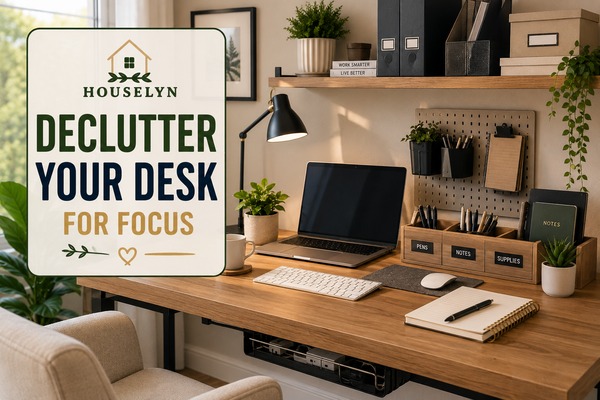 Beautiful organized home office desk featuring desk organizers, storage systems, and clutter-free productivity setup.
5. Organize Cables and Chargers
Cables are one of the biggest sources of visual clutter in a home office.
Power cords, charging cables, monitor wires, printer cables, and accessory cords can quickly create a messy workspace if they are not managed properly.
One of the most practical home office organization ideas is implementing a cable management system.
Popular solutions include:
Cable Sleeves
Cable Clips
Cable Boxes
Under-Desk Cable Trays
Velcro Cable Ties
Benefits include:
Cleaner Workspace
Improved Safety
Easier Cleaning
More Professional Appearance
Reduced Cable Damage
A well-managed cable system instantly makes a workspace look more organized while improving functionality.
6. Use Vertical Wall Storage
Many home offices have limited floor space but plenty of unused wall space.
Vertical storage is one of the most effective organization strategies because it expands storage capacity without increasing desk clutter.
Examples include:
Floating Shelves
Wall-Mounted Organizers
Pegboards
Bulletin Boards
File Holders
Hanging Storage Baskets
Wall storage is ideal for:
- Office supplies
- Reference materials
- Decorative storage boxes
- Frequently used documents
Using walls efficiently helps keep work surfaces clear while maximizing storage.
7. Create a Paper Management System
Paper clutter can quickly overwhelm even the most organized workspace.
Without a system, invoices, receipts, notes, contracts, and important documents often pile up on desks.
A paper management system creates structure and reduces clutter.
Common categories include:
Action Required
To File
Pending
Reference
Archive
Storage options include:
- File organizers
- Desktop sorters
- Filing cabinets
- Wall-mounted file systems
The goal is ensuring every document has a designated place.
This system saves time and helps prevent important paperwork from getting lost.
8. Use Labeled Storage Boxes
Storage boxes are one of the easiest ways to organize office supplies and paperwork.
However, labels are what make the system truly effective.
Common categories include:
Office Supplies
Tax Documents
Business Records
Technology Accessories
Reference Materials
Project Files
Labeling boxes provides:
Faster Access
Better Organization
Easier Maintenance
Improved Workflow
A labeled storage system makes it easier to find what you need and encourages long-term organization habits.
Recommended Amazon Finds: Home Office Organization Essentials
Perfect for reducing desk clutter, managing paperwork, and creating a more productive workspace.
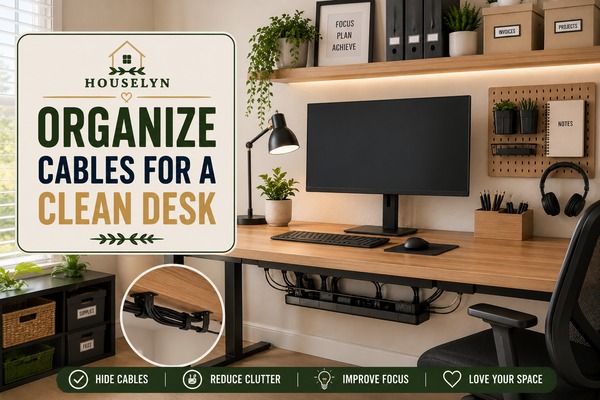 Beautiful organized home office featuring cable management systems, wall storage, and clutter-free desk organization.
⚡ Quick Win
Take 10 minutes today to bundle and label all charging cables in your office. This simple task immediately reduces clutter and makes future organization easier.
Build an Organized Home
A productive home office is easier to maintain when the rest of your home follows organized systems.
9. Create a Filing System
One of the most important home office organization ideas is creating a filing system for physical documents.
Without a structured system, paperwork tends to pile up on desks, shelves, and countertops, creating clutter and making important information difficult to find.
A filing system helps organize:
Tax Documents
Business Records
Contracts
Invoices
Receipts
Household Paperwork
The most effective filing systems are simple and easy to maintain.
Common filing categories include:
Action Required
Pending
Reference
Archive
Personal Documents
Whether you use a filing cabinet, portable file box, or wall-mounted file organizer, the goal is ensuring every document has a designated home.
A strong filing system saves time and reduces stress when important documents are needed.
10. Organize Digital Documents
Office organization is no longer limited to physical paperwork.
Digital clutter can be just as frustrating and time-consuming as physical clutter.
One of the smartest home office organization strategies is creating a clear digital filing system.
Organize files using categories such as:
Work Projects
Financial Records
Personal Documents
Photos
Downloads
Archived Files
Best practices include:
- Consistent folder names
- Logical file categories
- Regular backups
- Cloud storage integration
A well-organized digital workspace improves productivity and makes important information easier to locate.
The time invested in digital organization often pays for itself many times over.
11. Use Desktop Organizers
Desktop organizers help keep frequently used supplies accessible while reducing visual clutter.
Rather than allowing office supplies to spread across the desk, create designated storage areas.
Desktop organizers work well for:
Pens
Highlighters
Sticky Notes
Paper Clips
USB Drives
Small Accessories
Benefits include:
Better Organization
Faster Access
Cleaner Appearance
Improved Productivity
Choose organizers that complement your workspace and provide enough storage without overcrowding the desk.
A well-organized desktop supports focus and efficiency.
12. Keep a Clear Workspace Policy
One of the most effective long-term organization habits is maintaining a clear workspace policy.
This simply means returning items to their proper location at the end of each workday.
A clear workspace policy may include:
Filing Paperwork
Returning Supplies
Organizing Cables
Clearing Trash
Preparing for Tomorrow
Benefits include:
- Reduced clutter
- Improved focus
- Faster workday startup
- Better maintenance of organization systems
A few minutes of cleanup each day prevents small amounts of clutter from becoming major problems.
This habit is often what separates organized offices from consistently cluttered ones.
💡 Houselyn Tip
Schedule a 10-minute office reset at the end of every workday. This simple habit keeps clutter from accumulating and makes it easier to start work the next morning.
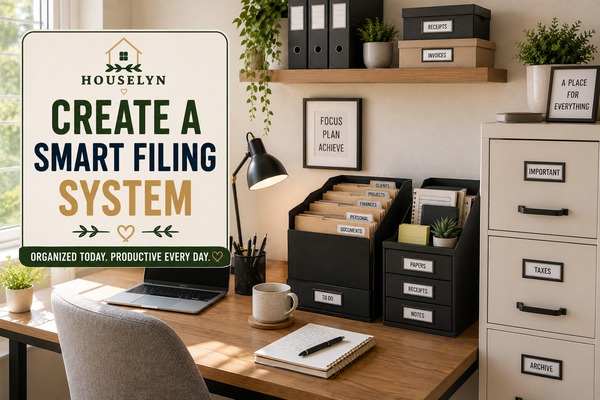 Beautiful organized home office featuring filing systems, desktop organizers, labeled folders, and productive workspace design.
Related Houselyn Organization Guides
Organization systems are most effective when applied consistently throughout your home.
13. Use Floating Shelves
Floating shelves are one of the most practical home office organization ideas because they add storage without consuming valuable floor space.
Many home offices have unused wall space that can be transformed into functional storage areas.
Floating shelves are ideal for:
Books
Reference Materials
Storage Boxes
Office Supplies
Decorative Storage Baskets
Small Plants
Benefits include:
Increased Storage Capacity
Reduced Desk Clutter
Better Organization
Improved Visual Appeal
The key is avoiding overcrowding.
A few well-organized shelves can dramatically improve both the functionality and appearance of a workspace.
14. Create a Supply Station
Office supplies often become scattered throughout drawers, shelves, and storage boxes.
Creating a dedicated supply station ensures that commonly used items remain organized and easy to access.
Items commonly stored in a supply station include:
Pens
Notebooks
Printer Paper
Sticky Notes
Envelopes
Mailing Supplies
Batteries
Grouping supplies together reduces wasted time and prevents duplicate purchases.
A supply station can be stored inside a cabinet, on shelving, or within a dedicated drawer system.
This simple organization strategy improves efficiency and helps maintain a clutter-free workspace.
15. Organize Office Equipment
Office equipment can consume significant space if it is not stored properly.
Common equipment includes:
Printers
Scanners
Label Makers
Shredders
External Hard Drives
Charging Stations
One of the smartest home office organization strategies is assigning a designated location to each piece of equipment.
Whenever possible:
- Store equipment near power sources.
- Keep related supplies together.
- Use shelves or cabinets to reduce visual clutter.
Proper equipment organization improves workflow while creating a more professional workspace.
16. Store Reference Materials Together
Many professionals, students, and business owners rely on reference materials throughout the workday.
These may include:
Books
Manuals
Training Materials
Industry Publications
Project Documents
Research Files
Rather than scattering these resources throughout the office, create a dedicated reference zone.
Storage options include:
Book
shelves
Magazine Holders
Filing Systems
Storage Cabinets
Grouping related materials together improves accessibility and makes information easier to locate when needed.
A dedicated reference area also helps keep the desk clear and organized.
Recommended Amazon Finds: Office Storage Solutions
Perfect for increasing storage, organizing office supplies, and reducing workspace clutter.
🚫 Common Mistake
Many people purchase storage products before creating an organization system. Always create categories and storage zones first, then buy products that support those systems.
Continue Building an Organized Home
A productive office is easier to maintain when organization systems extend throughout your home.
17. Create a Charging Station
Modern home offices often contain multiple devices that require daily charging.
Phones, tablets, wireless earbuds, smartwatches, rechargeable mice, keyboards, and portable batteries can quickly create clutter if they are not organized properly.
One of the most practical home office organization ideas is creating a dedicated charging station.
A charging station helps organize:
Smartphones
Tablets
Smartwatches
Wireless Earbuds
Portable Power Banks
Rechargeable Accessories
Storage solutions may include:
- Charging docks
- Cable organizers
- Charging drawers
- Desktop charging stations
Keeping all devices in one location reduces cable clutter and ensures everything remains fully charged and easy to find.1
8. Use a Weekly Planning Area
A dedicated planning area helps you stay organized and focused throughout the week.
Rather than relying on memory alone, create a visual planning system that keeps important information visible.
A planning area may include:
Weekly Goals
Task Lists
Project Deadlines
Appointments
Content Calendars
Personal Reminders
Popular tools include:
Whiteboards
Wall Calendars
Cork Boards
Digital Planning Displays
A planning zone creates clarity and helps prioritize tasks more effectively.
This simple addition can dramatically improve productivity and reduce mental clutter.
19. Organize Cords and Accessories by Category
Technology accessories often accumulate quickly in a home office.
Without a system, chargers, adapters, USB drives, and cables become difficult to locate.
Create categories such as:
Charging Cables
USB Accessories
Adapters
Audio Equipment
Computer Accessories
Backup Devices
Storage options include:
- Labeled bins
- Drawer organizers
- Storage boxes
- Cable pouches
Grouping accessories together reduces clutter while making equipment easier to manage.
This strategy also prevents duplicate purchases because inventory is easier to monitor.
20. Keep Frequently Used Supplies Visible
One of the most effective home office organization ideas is making frequently used supplies easy to access.
Examples include:
Pens
Notebooks
Headphones
Planners
Sticky Notes
Daily Documents
Store these items:
- On desktop organizers
- In top drawers
- On nearby shelves
- Inside dedicated work zones
Items used less frequently can be stored farther away.
Designing your office around actual work habits improves efficiency and makes organization easier to maintain.
The more accessible important tools are, the more productive your workspace becomes.
💡 Houselyn Tip
Use the "one-minute rule" in your office. If organizing or putting something away takes less than one minute, do it immediately rather than postponing it.
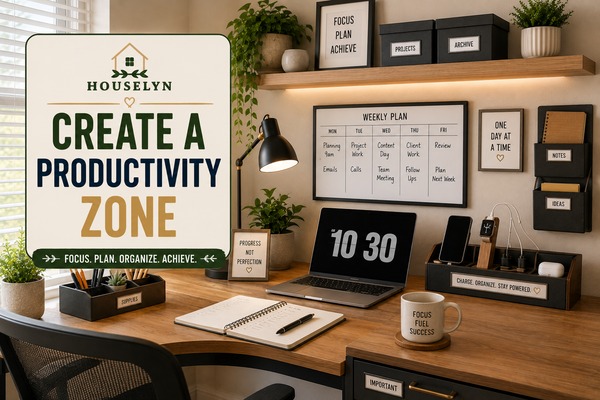 Beautiful organized home office featuring productivity systems, planning boards, charging stations, and organized workspace design
Related Houselyn Organization Guides
Creating productive systems in your office becomes easier when organization extends throughout the home.
21. Use Hidden Storage Furniture
Not every office supply needs to remain visible.
One of the most practical home office organization ideas is incorporating furniture with hidden storage compartments.
Hidden storage helps maintain a clean and professional appearance while keeping important supplies nearby.
Examples include:
Storage Ottomans
Cabinets with Doors
Desks with Built-In Storage
Storage Benches
Filing Cabinets
These solutions are ideal for storing:
Office Supplies
Backup Equipment
Archived Documents
Technology Accessories
Project Materials
Hidden storage reduces visual clutter and helps create a calmer workspace.
22. Create a Backup Storage System
Most home offices contain items that are not needed daily but should still remain accessible.
A backup storage system helps separate everyday essentials from occasional-use items.
Examples include:
Archived Files
Extra Printer Paper
Spare Cables
Backup Equipment
Seasonal Business Materials
Project Archives
Storage options include:
- Cabinets
- Shelving units
- Labeled storage boxes
- Filing systems
Creating a secondary storage area helps keep your primary workspace clean and efficient.
23. Review Office Supplies Monthly
One of the most overlooked home office organization ideas is performing regular inventory reviews.
Many people continue purchasing supplies they already own simply because they cannot locate them.
A monthly review helps you:
Restock Essentials
Remove Unused Items
Identify Clutter
Reorganize Storage Areas
Prevent Duplicate Purchases
Even a 15-minute review can dramatically improve organization and save money over time.
Consistent maintenance prevents small problems from becoming larger organization challenges.
24. Establish End-of-Day Reset Habits
The most organized home offices often rely on simple daily habits rather than complicated systems.
An end-of-day reset helps prepare your workspace for the following day.
Examples include:
Clearing the Desk
Filing Documents
Returning Supplies
Organizing Cables
Updating Task Lists
Preparing Tomorrow's Priorities
This habit reduces clutter and creates a smoother start to the next workday.
Many professionals find that a five-minute reset significantly improves productivity.
25. Build a Long-Term Organization Routine
The final and most important home office organization idea is creating a long-term maintenance routine.
Organization is not a one-time project.
It is an ongoing process supported by consistent habits.
A simple routine may include:
Daily Tasks
- Clear desk surfaces
- Return supplies
- Organize paperwork
Weekly Tasks
- Review projects
- Empty trash
- Reorganize work zones
Monthly Tasks
- Inventory supplies
- Review filing systems
- Declutter storage areas
The goal is creating a workspace that remains productive and organized throughout the year.
Consistent maintenance is what keeps organization systems functioning effectively.
✓ Pro Organizer Tip
Professional organizers often recommend following the "one in, one out" rule for office supplies. Whenever a new item enters your office, remove an old or unnecessary item to prevent clutter from gradually accumulating.
Recommended Amazon Finds: Home Office Productivity Essentials
Perfect for maintaining an organized workspace and improving long-term productivity.
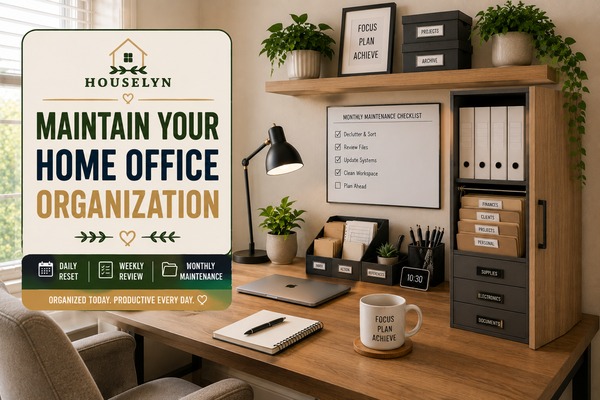 Beautiful organized home office featuring filing systems, hidden storage, productivity tools, and long-term organization systems.
Home Office Organization Ideas for Small Spaces
Not everyone has a dedicated room for a home office. Many people work from a spare bedroom, a corner of the living room, a hallway nook, or even a section of the dining room.
The good news is that many of the best home office organization ideas work especially well in small spaces.
The key is maximizing storage while minimizing clutter.Use Vertical Storage
When floor space is limited, walls become your most valuable storage asset.
Consider adding:
Floating Shelves
Wall Organizers
Pegboards
File Holders
Storage Baskets
Vertical storage helps free up desk space while keeping important supplies within easy reach.
Choose Multi-Functional Furniture
Every piece of furniture should work as hard as possible.
Examples include:
Desks with Built-In Storage
Filing Cabinets That Double as Printer Stands
Storage Ottomans
Fold-Down Desks
Shelving Units with Hidden Storage
Multi-functional furniture helps maximize every square foot.Limit Desk Clutter
A small workspace feels larger when surfaces remain clear.
Keep only daily essentials on your desk:
Laptop
Notebook
Planner
Pens
Headphones
Everything else should have a designated storage location.
Use Compact Storage Solutions
Small offices benefit from slim and efficient storage products.
Examples include:
Desktop Organizers
Vertical File Holders
Rolling Storage Carts
Stackable Storage Boxes
Wall-Mounted Shelves
Compact storage helps maintain organization without overwhelming the room.
Create Clear Zones
Even a tiny office benefits from organization zones.
Examples include:
Computer Zone
Planning Zone
Storage Zone
Filing Zone
When every item has a designated home, maintaining organization becomes much easier.
Budget-Friendly Home Office Organization Ideas
Creating an organized workspace does not require a large budget.
Many effective home office organization ideas are inexpensive and easy to implement.
Declutter Before Buying Anything
The first step is always removing unnecessary items.
Many organization problems disappear once clutter has been eliminated.
Before purchasing storage products:
- Remove unused supplies
- Recycle unnecessary paperwork
- Donate unused equipment
You may discover you need far less storage than expected.Repurpose Existing Containers
Before shopping for new organizers, look around your home.
Items that can be repurposed include:
Storage Baskets
Decorative Boxes
Drawer Dividers
Magazine Holders
Small Containers
Repurposing existing storage helps reduce costs while maintaining functionality.
Use Affordable Labels
Labels are one of the most effective organization tools available.
Low-cost options include:
Printable Labels
Chalkboard Labels
Handwritten Labels
Reusable Tags
Labels help maintain organization and make it easier to locate supplies.
Build Systems Before Buying Products
Professional organizers often recommend focusing on organization systems before storage products.
Create categories first:
Office Supplies
Paperwork
Technology Accessories
Project Materials
Reference Materials
Once categories are established, you can choose storage solutions that support those systems.Organize One Area at a Time
Instead of trying to organize the entire office at once:
- Organize the desk.
- Organize the drawers.
- Organize paperwork.
- Organize storage areas.
Small wins build momentum and often lead to better long-term results.
Home office organization ideas can dramatically improve productivity, reduce stress, and help create a workspace that supports your goals.
An organized office is not simply about aesthetics. It is about creating systems that make work easier, reduce distractions, and improve efficiency.
The most successful offices are built around simple habits:
- Clear work zones
- Organized storage
- Consistent filing systems
- Daily maintenance routines
You do not need a large room or expensive furniture to create a productive office.
Start small.
Declutter your desk.
Organize one drawer.
Label one storage box.
Create one work zone.
These small improvements quickly build momentum and can transform the way your office functions.
By implementing the home office organization ideas in this guide, you can create a cleaner, more efficient, and more enjoyable workspace that supports both productivity and long-term organization.
Frequently Asked Questions
What are the best home office organization ideas?
What are the best home office organization ideas?
The best home office organization ideas include decluttering your desk, creating work zones, organizing cables, using filing systems, adding vertical storage, and maintaining a daily workspace reset routine.
These systems improve productivity while reducing clutter.
How do I organize a small home office?
How do I organize a small home office?
Small offices benefit from:
- Vertical storage
- Compact furniture
- Multi-purpose storage
- Clear work zones
- Minimal desk clutter
The goal is maximizing functionality without overcrowding the space.
How do I organize paperwork in a home office?
How do I organize paperwork in a home office?
Create categories such as:
Action Required
Pending
Reference
Archive
Store documents using filing cabinets, file boxes, or wall-mounted organizers.
A consistent filing system helps prevent paper clutter.
How can I reduce cable clutter?
How can I reduce cable clutter?
Cable clutter can be reduced using:
Cable Sleeves
Cable Clips
Cable Boxes
Under-Desk Cable Trays
Velcro Ties
Managing cables creates a cleaner and more professional workspace.
How often should I organize my home office?
How often should I organize my home office?
A quick daily reset, weekly review, and monthly decluttering session are usually enough to keep a home office organized and productive.
Related Houselyn Guides
Continue creating a beautifully organized home with these helpful Houselyn resources:
Have A Great Story About This Topic?
Do you have a great story about this? Share it!
You might like these
25 Entryway Organization Ideas for a Clutter-Free and Welcoming Home
Discover 25 entryway organization ideas to reduce clutter, organize shoes, coats, bags, and create a welcoming entrance to your home.
25 Bathroom Organization Ideas for Clutter-Free and Beautiful Bathroom
Discover 25 bathroom organization ideas to maximize storage, reduce clutter, organize cabinets, drawers, and countertops, and create a beautiful bathroom.