- Home
- bedroom ideas
Bedroom Ideas for a Beautiful and Functional Space
Creative Bedroom Ideas to Design a Beautiful, Comfortable, and Organized Space
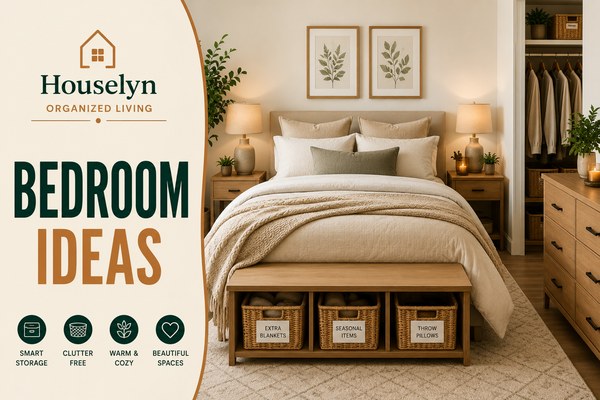
Bedroom ideas can completely transform the way a space looks, feels, and functions. Whether you're decorating a master bedroom, organizing a small bedroom, creating a cozy retreat, or designing a stylish guest room, the right ideas can help you maximize comfort, storage, and visual appeal.
This comprehensive Houselyn guide explores practical bedroom ideas for decorating, organizing, storing, styling, and personalizing your space while creating a room that feels beautiful, relaxing, and easy to maintain.
Introduction
Bedroom ideas have the power to transform more than just the appearance of a room—they influence comfort, relaxation, organization, productivity, and the overall atmosphere of your home. Whether you're decorating your first apartment, refreshing a master bedroom, designing a cozy guest room, or trying to make a small bedroom feel larger, thoughtful design choices can turn an ordinary space into one that is both beautiful and highly functional.
The bedroom is one of the most personal spaces in any home. It is where each day begins and ends, making it a place that should promote rest, reflect your personality, and support your lifestyle. A well-designed bedroom is not simply about following decorating trends. It combines colour, furniture, lighting, storage, layout, textiles, and organization into a space that feels comfortable, practical, and welcoming.
Finding the right bedroom ideas can also be overwhelming. With thousands of design styles, furniture options, storage solutions, and decorating trends available, it can be difficult to know which ideas will genuinely improve your space and which will simply add unnecessary expense or clutter. The best bedroom designs are built around your daily routines, the size of your room, your storage needs, and the atmosphere you want to create.
In this comprehensive Houselyn guide, you'll discover bedroom ideas for every type of home and lifestyle. We'll explore decorating inspiration, smart storage solutions, organization systems, colour palettes, furniture selection, lighting, layout planning, styling techniques, and practical design principles that work in both large and small bedrooms. You'll also learn how to avoid common design mistakes, maximize available space, and create a bedroom that remains functional and enjoyable for years to come.
Whether your goal is to design a calm retreat, maximize a compact bedroom, create a stylish modern space, or simply refresh your current room without a complete renovation, this guide will provide practical advice, inspiring ideas, and proven strategies to help you achieve it. By the end of this article, you'll have a clear understanding of how to plan, decorate, organize, and personalize a bedroom that reflects your style while meeting the practical needs of everyday life.
Disclosure: As an Amazon Associate, Houselyn may earn from qualifying purchases. This helps support our content at no additional cost to you. We only recommend products that align with our home decor and organization mission.
Understanding What Makes a Great Bedroom
Before exploring specific bedroom ideas, it's important to understand what actually makes a bedroom successful. Beautiful bedrooms are not created by buying expensive furniture or copying the latest design trends. They are created by combining thoughtful planning, practical functionality, personal style, and everyday comfort into a space that supports the way you live.
Many people begin a bedroom makeover by focusing on paint colours, furniture, or decorative accessories. While these elements certainly influence the overall appearance of a room, they are only part of a much larger picture. A bedroom should first and foremost provide a place where you can relax, recharge, and feel completely at ease. Every design decision—from the layout of the furniture to the amount of storage available—should contribute to that goal.
A well-designed bedroom balances several essential principles rather than relying on a single decorating style. Whether your taste is modern, traditional, minimalist, rustic, or contemporary, these principles remain remarkably consistent.
Comfort Comes First
The bedroom is one of the few places in a home dedicated almost entirely to personal wellbeing. Unlike a kitchen or living room, which often serve multiple people and multiple purposes, a bedroom should feel calm, private, and restorative.
Comfort extends far beyond the mattress. It includes:
- A layout that is easy to move around.
- Furniture that fits the room comfortably.
- Lighting that supports different activities throughout the day.
- Colours that create the desired atmosphere.
- Bedding and textiles that feel inviting.
- A clutter-free environment that encourages relaxation.
When these elements work together, a bedroom becomes a space that naturally supports better rest and a greater sense of wellbeing.
Functionality Is Just as Important as Style
A bedroom may look beautiful in a photograph, but if it does not support your daily routine, it will quickly become frustrating to use.
Think about how you use your bedroom every day.
Do you need extra clothing storage?
Do you read before going to sleep?
Do you work occasionally from your bedroom?
Do you need additional storage for seasonal items?
Does more than one person share the room?
Answering questions like these helps ensure that your bedroom functions as well as it looks.
Practical design almost always outperforms purely decorative design over the long term.
Organization Creates Calm
One of the biggest differences between an average bedroom and an exceptional one is organization.
Clutter competes for attention. Even a beautifully decorated bedroom can feel stressful if clothing piles up on chairs, bedside tables become overcrowded, or storage spaces are difficult to maintain.
Good organization does not necessarily require more storage. Instead, it requires better systems.
Effective bedroom organization typically includes:
- Clearly defined storage zones.
- Furniture that supports storage needs.
- Easy-to-maintain organization systems.
- Everyday items kept within convenient reach.
- Seasonal items stored separately.
The easier a system is to maintain, the more likely it is to remain organized over time.
Every Bedroom Should Reflect the People Who Use It
No two households are the same, which means no two bedrooms should be identical.
A master bedroom has different priorities from a guest bedroom. A teenager's bedroom functions differently from a nursery. A small apartment bedroom has different storage challenges than a spacious family home.
Rather than trying to recreate a room from social media or a magazine, the best approach is to adapt ideas to suit your own lifestyle, available space, budget, and personal preferences.
The most successful bedrooms are those that feel authentic to the people who use them every day.
Design Is About Balance, Not Perfection
One of the most common misconceptions in home decorating is that every bedroom needs to look professionally styled.
In reality, successful bedrooms strike a balance between beauty and practicality.
A room filled with decorative accessories but lacking storage may look impressive for a photograph, yet become difficult to maintain. Likewise, a room designed only for storage may feel cold or uninspiring.
The goal is to create harmony between:
- Comfort
- Functionality
- Storage
- Organization
- Personality
- Visual appeal
When these elements are balanced, the bedroom becomes both attractive and enjoyable to live in.
🏡 Houselyn Observation
The bedrooms that remain beautiful for years are rarely the ones with the most expensive furniture. They are the ones designed around everyday habits, with thoughtful layouts, practical storage, and organization systems that are easy to maintain. Great design is about creating a space that supports your life, not just impresses visitors.
⚡ Quick Win
Stand in your bedroom doorway and identify the first three things your eyes notice. If they are clutter rather than attractive features, start there. Removing visible clutter often improves the overall feel of a bedroom faster than buying new décor.
🏡 Houselyn Insight
Every successful bedroom balances six core elements: comfort, functionality, organization, storage, style, and personality. Throughout this guide, you'll learn how each decision contributes to these six elements, helping you build a bedroom that is both beautiful and practical.
Plan Your Bedroom Before You Start Decorating
One of the biggest mistakes people make when redesigning a bedroom is rushing into decorating before understanding what the room actually needs. It's tempting to buy new furniture, repaint the walls, or replace bedding as soon as inspiration strikes. However, without a clear plan, these decisions often lead to wasted money, overcrowded spaces, and a bedroom that still doesn't function as well as it should.
The most successful bedroom transformations begin long before the first piece of furniture is moved. Professional interior designers rarely start by choosing decorative accessories or wall colours. Instead, they begin by understanding how the room is used, identifying the problems that need to be solved, and creating a practical plan that balances comfort, functionality, storage, and style.
Taking the time to plan your bedroom helps ensure that every decision supports your long-term goals rather than simply following short-term trends.
Start With the Purpose of Your Bedroom
Although every bedroom is designed for rest, many bedrooms serve additional purposes.
Ask yourself:
- Is this a master bedroom used every day?
- Is it a guest bedroom that needs flexible storage?
- Is it a child's bedroom that will change as they grow?
- Is it a teenager's room that combines sleeping, studying, and relaxing?
- Is it a small apartment bedroom that must provide both storage and living space?
Understanding the primary purpose of the room helps you prioritize what matters most. A bedroom that functions as a peaceful retreat will require different design decisions from one that also serves as a workspace or dressing area.
Evaluate How You Use the Space Every Day
Think about your daily routine from the moment you wake up until you go to bed.
Consider questions such as:
- Where do you usually place clothes at the end of the day?
- Is there enough storage for everyday essentials?
- Do bedside tables provide enough space for the items you use most often?
- Is getting dressed convenient, or does the room feel cramped?
- Are there areas that consistently become cluttered?
These observations reveal where the room supports your lifestyle and where improvements will have the greatest impact.
Identify the Biggest Challenges First
Rather than trying to improve everything at once, focus on the issues that affect your daily experience.
Common bedroom challenges include:
- Limited storage space
- Poor furniture layout
- Insufficient lighting
- Too much visible clutter
- Lack of surface space
- Inefficient closet organization
- Awkward room dimensions
- Limited floor space in small bedrooms
Addressing these problems first often delivers greater results than simply updating the décor.
Measure Before You Buy
Furniture that looks perfect in a showroom or online may overwhelm a bedroom if it isn't proportioned correctly.
Before purchasing anything, measure:
- Room dimensions
- Doorways
- Window locations
- Existing furniture
- Available walking space
This simple step helps prevent expensive mistakes and ensures that new furniture improves the room rather than restricting movement.
Think About Storage Before Decoration
Storage is one of the foundations of a successful bedroom.
If a room lacks adequate storage, decorative improvements are often temporary because clutter quickly returns.
Before selecting decorative accessories, ask:
- Can under-bed space be used more effectively?
- Is vertical wall space underutilized?
- Does the closet need better organization?
- Could multi-functional furniture provide hidden storage?
- Are frequently used items stored in convenient locations?
When storage works well, decorating becomes much easier because the room naturally stays tidy.
Choose a Style That Reflects Your Lifestyle
It's easy to be inspired by beautifully styled bedrooms on Pinterest or in magazines, but your bedroom should reflect the way you actually live.
If you prefer calm, clutter-free spaces, a minimalist or Scandinavian-inspired approach may be a better fit than a highly decorative style. If warmth and comfort are your priorities, layered textiles and natural materials may suit you better than sleek modern finishes.
The goal isn't to copy someone else's bedroom but to create one that supports your routines and feels authentic to your personality.
Create a Realistic Budget
A beautiful bedroom doesn't require a complete renovation.
Many of the most effective improvements come from thoughtful planning rather than expensive purchases.
Consider dividing your budget into categories such as:
- Essential furniture
- Storage improvements
- Lighting
- Bedding
- Decorative accessories
- Future upgrades
This approach allows you to prioritise high-impact changes while leaving room for gradual improvements over time.
🏡 Houselyn Observation
Beautiful bedrooms are usually the result of good planning rather than large budgets. When the layout, storage, and daily routines are considered first, decorating decisions become easier, more intentional, and more successful.
⚡ Quick Win
Write down the three biggest frustrations you experience in your bedroom today. Solving those three problems first will often improve your room more than buying several new decorative items.
🏡 Houselyn Insight
At Houselyn, we believe every successful bedroom starts with a plan. By understanding how you use the room before making design decisions, you create a foundation that makes every decorating, organization, and storage improvement more effective.
Bedroom Layout Ideas That Create a Comfortable and Functional Space
🏡 Houselyn Observation
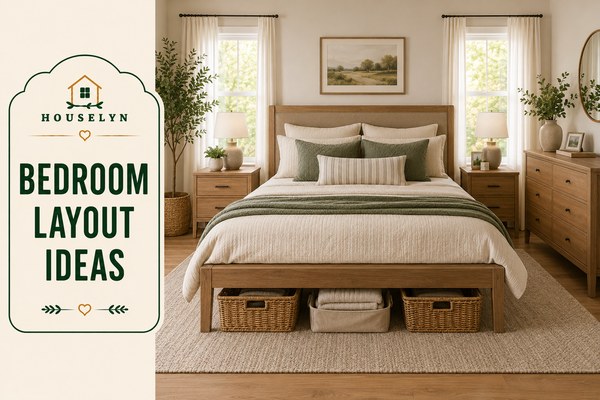
Many people believe they need larger bedrooms to create a luxurious feel. In reality, improving the furniture layout often has a greater impact than increasing the room's size. A thoughtful layout allows the space to feel calmer, more spacious, and easier to use every day.
The layout of your bedroom is the foundation upon which every other design decision is built. Even the most beautiful furniture, luxurious bedding, or carefully chosen décor can feel out of place if the room's layout doesn't support comfortable movement and everyday living.
A thoughtful bedroom layout makes the room feel larger, improves functionality, and helps create a peaceful atmosphere. Before investing in new furniture or decorative accessories, it's worth considering how each piece contributes to the overall flow of the room.
A well-planned layout should make it easy to move around the bed, access storage, open doors and drawers, and perform daily routines without unnecessary obstacles.
Make the Bed the Natural Focal Point
In most bedrooms, the bed is naturally the largest piece of furniture and should serve as the visual centre of the room.
Positioning the bed thoughtfully helps create balance and immediately establishes a sense of order.
Whenever possible:
- Place the headboard against the room's main uninterrupted wall.
- Allow enough walking space on both sides of the bed.
- Keep the view from the doorway open rather than blocked by large furniture.
- Avoid placing the bed where doors or drawers cannot open comfortably.
Creating a strong focal point makes the entire room feel more organised and visually cohesive.
Maintain Comfortable Walking Space
One of the easiest ways to improve a bedroom is simply by increasing the amount of clear floor space.
Rather than filling every available corner with furniture, leave comfortable pathways that allow you to move naturally through the room.
Aim to keep frequently used routes clear, particularly between:
- The doorway and the bed.
- The bed and the wardrobe.
- The bed and bedside tables.
- The bed and windows.
This makes the room feel more spacious, even if its actual dimensions remain unchanged.
Arrange Furniture Around Daily Routines
Think about how you use your bedroom from morning until night.
For example:
- Place bedside tables within easy reach.
- Position a dresser close to the wardrobe if possible.
- Create a dedicated reading corner if space allows.
- Keep frequently used storage convenient and accessible.
When furniture reflects your routines, everyday tasks become easier and the room naturally stays more organised.
Use Vertical Space Wisely
In smaller bedrooms, floor space is often limited, but wall space offers valuable opportunities.
Floating shelves, wall-mounted lighting, and tall storage furniture can increase storage without making the room feel overcrowded.
The goal is not to fill every wall, but to use vertical space strategically while maintaining a sense of openness.
Keep the Room Visually Balanced
A balanced room feels calm because visual weight is distributed evenly.
Avoid placing all large furniture on one side while leaving the opposite side empty.
Balance can be created through:
- Matching bedside tables.
- Symmetrical lighting.
- Even distribution of decorative elements.
- Consistent furniture proportions.
Symmetry isn't essential in every bedroom, but visual balance almost always improves the overall atmosphere.
🛒 Amazon Bedroom Layout Essentials
Planning a better bedroom layout is easier with the right furniture and organization products. Here are some popular Amazon essentials that can help you create a more comfortable and functional space.
- Platform Bed Frames on Amazon
- Bedside Tables on Amazon
- Bedroom Storage Benches on Amazon
- Bedroom Table Lamps on Amazon
- Floating Shelves on Amazon
- Bedroom Area Rugs on Amazon
Explore more bedroom furniture and organization essentials on Amazon to help create a comfortable, stylish, and functional bedroom.
⚡ Quick Win
Before buying any new furniture, use masking tape to outline its dimensions on your bedroom floor. This simple exercise helps you visualise how the room will feel and can prevent costly purchasing mistakes.
Small Bedroom Ideas That Make Every Inch Count
Designing a small bedroom often feels like a compromise. Limited floor space, compact closets, and fewer furniture options can make it challenging to create a room that feels both functional and inviting. However, a smaller bedroom also presents an opportunity to be intentional with every design decision.
Rather than focusing on what your bedroom lacks, focus on making every square metre work harder. Careful planning, multi-functional furniture, and thoughtful organization can transform even the smallest bedroom into a comfortable retreat that feels surprisingly spacious.
The goal isn't necessarily to make a small bedroom look larger. Instead, it's to create a room that feels open, organised, and enjoyable to use every day.
Prioritise Function Before Decoration
In a compact bedroom, every item should serve a purpose.
Before adding decorative accessories, ask yourself whether each piece contributes to comfort, storage, or everyday convenience.
Removing unnecessary furniture often creates a greater sense of space than simply rearranging the room.
Whenever possible, choose furniture that performs more than one function, such as beds with built-in storage, bedside tables with drawers, or storage benches positioned at the foot of the bed.
Keep the Floor as Clear as Possible
Visible floor space has a significant impact on how spacious a bedroom feels.
Avoid storing items directly on the floor whenever possible. Shoes, baskets, and storage containers should have designated homes rather than occupying walkways.
Keeping the floor clear also makes cleaning easier and helps maintain a calm, uncluttered appearance.
Make Use of Vertical Space
When floor space is limited, walls become valuable storage opportunities.
Floating shelves, wall-mounted lighting, and tall wardrobes allow you to increase storage without making the room feel overcrowded.
Remember to maintain visual balance. Wall storage should enhance the room rather than dominate it.
Continue Planning Your Bedroom
These related Houselyn guides will help you build on your bedroom layout with decorating, organization, colour, and small-space solutions.
🏡 Houselyn Observation
Small bedrooms rarely feel cramped because of their size alone. They usually feel crowded because too many items compete for limited space. Thoughtful editing and intentional storage often transform a room more effectively than adding new furniture.
Choose Furniture That Fits the Room
Large furniture in a small bedroom often creates the impression that the room is even smaller.
Instead of choosing oversized pieces, look for furniture that matches the room's proportions while still meeting your practical needs.
Slim bedside tables, compact dressers, and furniture with exposed legs often create a lighter visual appearance, helping the room feel more open.
Let Natural Light Do the Work
Natural light is one of the simplest ways to improve the feeling of space.
Keep window treatments light and avoid blocking windows with tall furniture whenever possible.
Mirrors positioned to reflect natural light can also help brighten the room and create additional visual depth.
Limit Decorative Accessories
Beautiful styling doesn't require filling every available surface.
Instead, select a few meaningful decorative elements that complement the overall design.
For example:
- A statement piece of artwork.
- One or two indoor plants.
- Coordinated bedding.
- A carefully chosen bedside lamp.
- A decorative mirror.
A restrained approach allows each decorative item to stand out while maintaining a peaceful atmosphere.
Create Hidden Storage Opportunities
Hidden storage keeps everyday essentials accessible while reducing visual clutter.
Look for opportunities such as:
- Under-bed storage containers.
- Ottoman beds.
- Storage benches.
- Drawer organisers.
- Over-the-door storage.
- Closet organisers.
These solutions help maximize available space without making the room feel crowded.
A well-planned storage system often has a greater impact than purchasing additional decorative items.
⚡ Quick Win
Choose one piece of furniture in your bedroom that serves only a decorative purpose. If removing it improves movement around the room, you've identified valuable space that can be used more effectively.
🏡 Houselyn Insight
Small bedrooms perform best when every item has a defined purpose. At Houselyn, we recommend evaluating furniture based on the value it adds to comfort, storage, and daily routines rather than simply filling available space.
Bedroom Storage Ideas That Keep Your Space Organized
One of the biggest differences between a bedroom that feels calm and one that feels chaotic is how well it handles storage. Even the most beautifully decorated room can quickly lose its appeal if clothes, accessories, and everyday items have no designated place.
Good bedroom storage isn't about owning more storage products—it's about creating simple systems that make it easy to keep the room organised every day. The best storage solutions work with your daily habits rather than against them, helping you maintain a tidy space with less effort.
Whether you're furnishing a spacious master bedroom or trying to maximise every inch of a compact apartment, thoughtful storage planning will improve both the appearance and functionality of your bedroom.
Divide the Bedroom into Storage Zones
Instead of treating storage as one large task, think of your bedroom as a collection of smaller zones.
For example:
- Clothing storage
- Shoes
- Bedding and blankets
- Accessories and jewellery
- Books and personal items
- Seasonal clothing
- Sentimental keepsakes
Giving every category its own dedicated location reduces clutter and makes it easier to find what you need.
Make the Most of Under-Bed Space
The area beneath the bed is often one of the largest unused storage spaces in a bedroom.
Rather than allowing it to collect dust, use it for items that aren't needed every day, such as:
- Seasonal clothing
- Extra bedding
- Shoes
- Travel bags
- Memory boxes
Low-profile storage containers or purpose-built under-bed organisers help keep these items protected while remaining easy to access.
Maximise Closet Efficiency
A wardrobe or closet can usually hold far more than people expect when it is organised effectively.
Simple improvements include:
- Matching hangers to save space.
- Shelf dividers to keep folded clothing tidy.
- Storage baskets for smaller accessories.
- Drawer organisers for socks, belts, and undergarments.
- Vertical organisers for handbags or shoes.
The goal is to make every shelf and hanging rail work efficiently without overcrowding the space.
Choose Furniture with Built-In Storage
Multi-functional furniture reduces the need for additional storage units while making better use of the available floor space.
Examples include:
- Ottoman beds.
- Storage benches.
- Bedside tables with drawers.
- Dressers with deep storage.
- Window seats with hidden compartments.
These pieces help maintain a cleaner appearance while keeping everyday items close at hand.
Keep Frequently Used Items Easy to Reach
Storage should support your daily routine.
Items used every day should be stored where they are easy to access, while rarely used belongings can be placed on higher shelves or in less accessible locations.
This simple principle reduces frustration and encourages long-term organisation.
Avoid Overfilling Storage Areas
Packing every drawer and shelf to capacity often creates more problems than it solves.
Leaving a small amount of free space allows clothing and accessories to remain organised, improves visibility, and makes it easier to return items after use.
A little breathing room within your storage system contributes to a calmer and more manageable bedroom.
Bedroom Color Ideas That Create the Right Mood
🏡 Houselyn Observation
Many homeowners focus on finding the "perfect" paint colour, but the most inviting bedrooms usually succeed because every colour—from the walls and bedding to the furniture and accessories—works together as one cohesive palette rather than competing for attention.
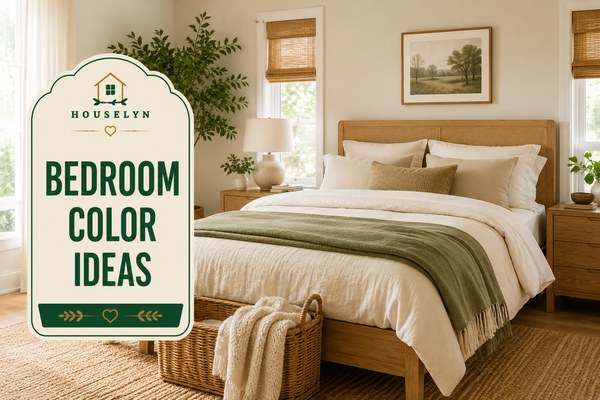
Colour is one of the most powerful design tools in any bedroom. Long before you notice furniture, artwork, or decorative accessories, your eyes respond to the colours surrounding you. They influence how spacious a room feels, how much natural light it reflects, and even the overall atmosphere you experience every day.
The best bedroom colour schemes are not chosen simply because they are fashionable. They are selected because they complement the room's size, lighting conditions, furniture, and the mood you want to create.
Whether you prefer calming neutrals, rich earth tones, soft pastels, or bold accent colours, choosing the right palette helps transform a bedroom into a relaxing retreat that reflects your personality.
Start with the Mood You Want to Create
Before selecting paint colours, think about how you want your bedroom to feel.
Do you want it to be:
- Calm and relaxing?
- Warm and cosy?
- Bright and refreshing?
- Elegant and luxurious?
- Modern and minimalist?
Once you've identified the atmosphere you want, colour choices become much easier because every shade can be evaluated against that goal.
Use Light Colours to Enhance Space
If your bedroom is compact or receives limited natural light, lighter shades can help the room feel brighter and more open.
Popular choices include:
- Warm white
- Soft cream
- Light beige
- Pale greige
- Soft sage
- Gentle grey
These colours create a timeless foundation that works with a wide variety of furniture and décor styles.
Explore More Bedroom Inspiration
These related Houselyn guides will help you choose colours, add warmth, and organise your bedroom for everyday comfort.
Add Warmth Through Natural Tones
Natural colours inspired by wood, stone, and landscapes create a welcoming environment.
Warm beige, taupe, muted terracotta, olive green, and soft brown tones pair beautifully with natural wood furniture, woven textures, and layered bedding to produce a comfortable, lived-in feel.
Introduce Accent Colours Carefully
Accent colours bring personality and visual interest without overwhelming the room.
Instead of covering entire walls with bold colours, consider introducing them through:
- Cushions
- Throws
- Artwork
- Decorative accessories
- Upholstered furniture
- Lampshades
This approach allows you to refresh the room more easily as styles and preferences change.
Create a Cohesive Colour Story
Rather than treating every item separately, think about how each colour contributes to the overall design.
Walls, furniture, textiles, flooring, curtains, and accessories should work together to create harmony.
Limiting your palette to a few complementary colours often produces a more sophisticated and relaxing result than combining too many contrasting shades.
Test Colours Before Committing
Paint colours can appear dramatically different depending on natural light, artificial lighting, and the time of day.
Always test sample colours on multiple walls before making a final decision.
Observe them in morning, afternoon, and evening light to ensure they create the atmosphere you're hoping to achieve.
Taking this extra step can prevent costly repainting and help you feel more confident in your final choice.
🛒 Amazon Bedroom Colour & Styling Essentials
Refreshing your bedroom's colour palette often starts with the right décor and accessories. These Amazon favourites can help you create a calm, coordinated, and stylish bedroom.
- Duvet Cover Sets on Amazon
- Decorative Cushions on Amazon
- Bedroom Curtains on Amazon
- Bedroom Table Lamps on Amazon
- Bedroom Wall Art on Amazon
- Throw Blankets on Amazon
Explore these Amazon bedroom décor essentials to build a colour palette that's warm, relaxing, and easy to personalise.
🏡 Houselyn Observation
Many homeowners focus on finding the "perfect" paint colour, but the most inviting bedrooms usually succeed because every colour—from the walls and bedding to the furniture and accessories—works together as one cohesive palette rather than competing for attention.
Cozy Bedroom Ideas for a Warm and Relaxing Retreat
A cosy bedroom is about much more than soft blankets and decorative cushions. It is a space that immediately makes you feel comfortable, relaxed, and at ease the moment you walk through the door. While decorating trends change over time, the principles behind creating a warm and inviting bedroom remain remarkably consistent.
A cosy atmosphere is created by combining texture, lighting, colour, furniture, and personal touches into a space that feels balanced rather than overcrowded. The goal is to create a bedroom that encourages rest while reflecting your personality and lifestyle.
Whether your bedroom is large or small, thoughtful styling choices can transform it into a peaceful retreat you'll enjoy throughout the year.
Layer Different Textures
One of the simplest ways to make a bedroom feel more inviting is by layering a variety of textures.
Combining different materials adds depth and visual interest without introducing unnecessary clutter.
Consider mixing:
- Cotton bedding
- Linen duvet covers
- Knit throws
- Velvet or boucle cushions
- Woven baskets
- Natural wood furniture
- Soft area rugs
These contrasting textures create warmth while keeping the room visually balanced.
Choose Soft, Warm Lighting
Lighting has a greater influence on atmosphere than almost any other design element.
Instead of relying on a single bright ceiling light, create layers of lighting throughout the room.
For example:
- Bedside table lamps
- Wall sconces
- Floor lamps
- Warm LED bulbs
- Reading lights
Warm-toned lighting creates a more relaxing environment, especially during the evening when you're preparing for sleep.Use Natural Materials
Natural materials help bedrooms feel timeless and welcoming.
Furniture made from oak, walnut, bamboo, or rattan pairs beautifully with neutral colour palettes and soft textiles.
Adding woven baskets, linen curtains, ceramic accessories, or indoor plants introduces texture while strengthening the connection between the bedroom and nature.
Keep Decorative Styling Simple
A cosy bedroom doesn't need to be filled with decorative accessories.
Instead, choose a few meaningful pieces that contribute to the overall atmosphere.
Examples include:
- Framed artwork
- A favourite reading chair
- Decorative cushions
- A statement mirror
- Fresh flowers or greenery
- Scented candles (used safely)
Allowing each item to breathe creates a calmer and more sophisticated appearance.
Add Personality Through Meaningful Details
The most memorable bedrooms are rarely those copied directly from magazines or social media.
Instead, they include personal elements that tell a story.
This might include:
- Family photographs
- Travel souvenirs
- Favourite books
- Handmade décor
- Vintage furniture
- Meaningful artwork
These personal touches make the room feel lived-in while maintaining its overall style.
Create a Seasonal Refresh Routine
Refreshing your bedroom with the seasons keeps the space feeling interesting without requiring major renovations.
Simple seasonal updates might include:
- Changing bedding fabrics.
- Rotating decorative cushions.
- Introducing seasonal colours.
- Replacing lightweight throws with heavier blankets in winter.
- Adding fresh flowers during spring.
Small adjustments throughout the year help your bedroom remain fresh, comfortable, and enjoyable.
A cosy bedroom is not created through expensive purchases but through thoughtful combinations of comfort, texture, lighting, and personal style. When these elements work together, the room becomes a place where you genuinely look forward to ending each day.
⚡ Quick Win
Replace cool white bedroom light bulbs with warm white LED bulbs. This inexpensive change can instantly create a softer, more relaxing atmosphere without changing any furniture or décor.
🏡 Houselyn Insight
Cosiness isn't created by adding more items to a bedroom. It's created by carefully choosing elements that work together. A room with fewer, well-coordinated pieces often feels warmer and more luxurious than one filled with unnecessary decorations.
Modern Bedroom Ideas That Balance Style and Practicality
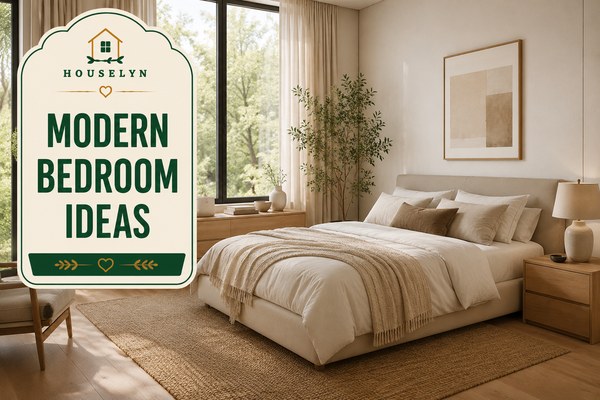
Modern bedroom design is often associated with clean lines, simple colour palettes, and uncluttered spaces. While these characteristics are important, a truly modern bedroom is about much more than appearance. It should combine comfort, functionality, and timeless design to create a space that feels fresh today and remains practical for years to come.
A common misconception is that modern bedrooms must feel cold or minimalist. In reality, modern design can be warm, welcoming, and highly personal when natural materials, layered textures, and thoughtful styling are incorporated into the overall design.
Whether you're designing a new bedroom or updating an existing one, modern ideas should simplify your daily life while enhancing the room's overall atmosphere.
Choose Quality Over Quantity
One of the defining principles of modern design is intentional simplicity.
Rather than filling a room with decorative accessories, focus on selecting fewer pieces that are well made, functional, and visually appealing.
A carefully chosen bed, quality bedside tables, and well-designed lighting often create a stronger impression than numerous smaller decorative items.
Create Clean Visual Lines
Modern bedrooms benefit from uncluttered layouts and furniture that complements the room's proportions.
Maintain clear sightlines by:
- Avoiding overcrowded furniture arrangements.
- Keeping surfaces tidy.
- Choosing storage solutions that reduce visible clutter.
- Allowing enough space between furniture pieces.
A room with clear visual flow naturally feels calmer and more spacious.
Build a Neutral Foundation
Neutral colour palettes remain one of the hallmarks of modern bedroom design because they create flexibility.
Shades such as:
- Warm white
- Beige
- Soft greige
- Charcoal accents
- Natural wood tones
provide a timeless backdrop that allows bedding, artwork, lighting, and accessories to evolve without requiring a complete redesign.
Mix Natural Materials with Contemporary Finishes
Modern bedrooms become more inviting when smooth finishes are balanced with natural textures.
Consider combining:
- Oak or walnut furniture
- Linen bedding
- Woven baskets
- Stone or ceramic accessories
- Matte black or brushed brass hardware
The contrast between natural and contemporary materials creates depth while maintaining a clean aesthetic.
Let Lighting Become Part of the Design
Lighting should be considered an architectural feature rather than an afterthought.
Layer different light sources to support both function and atmosphere.
This may include:
- Ceiling lighting for general illumination.
- Bedside lamps for reading.
- Wall sconces to free up bedside space.
- Accent lighting to highlight artwork or architectural details.
A layered lighting scheme makes the bedroom more versatile throughout the day.
Keep Technology Discreet
Modern bedrooms should support relaxation rather than constant distraction.
Whenever possible:
- Hide charging cables.
- Organise electronics neatly.
- Keep work equipment separate from sleeping areas.
- Reduce unnecessary visual clutter created by technology.
This contributes to a calmer environment and helps reinforce the bedroom's primary purpose as a place to rest and recharge.
Modern design is not about following trends. It is about creating a bedroom that remains elegant, functional, and enjoyable for years to come through thoughtful choices and timeless design principles.
🛒 Amazon Modern Bedroom Essentials
Modern bedrooms combine timeless furniture with practical accessories. These Amazon products can help you achieve a clean, functional, and comfortable bedroom design.
- Upholstered Bed Frames on Amazon
- Modern Bedside Tables on Amazon
- Linen Bedding Sets on Amazon
- Wall Sconces on Amazon
- Decorative Storage Baskets on Amazon
- Bedroom Area Rugs on Amazon
Browse these Amazon modern bedroom essentials to create a stylish, clutter-free space that's built for everyday living.
Guest Bedroom Ideas That Make Every Visitor Feel Welcome
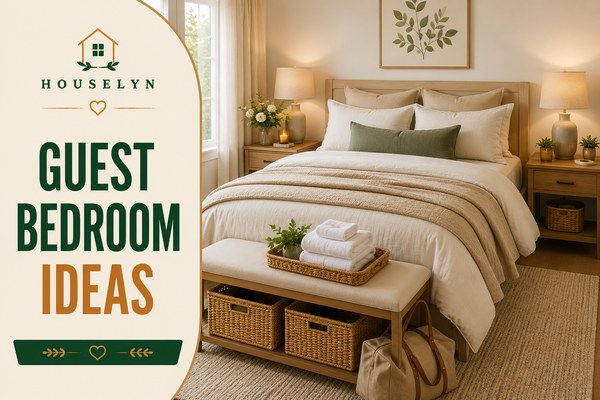
A thoughtfully designed guest bedroom does more than provide a place to sleep. It helps visitors feel comfortable, welcome, and cared for throughout their stay. Whether friends are staying for a weekend or family members are visiting for a longer period, a well-planned guest bedroom can make a lasting impression without requiring a large budget.
Unlike a primary bedroom, a guest bedroom needs to accommodate a variety of people with different preferences and routines. The goal is to create a flexible, comfortable space that feels inviting while remaining easy to maintain when not in use.
Choose Comfortable, Versatile Furniture
Guest bedrooms don't need elaborate furniture collections.
Focus on high-quality essentials such as:
- A supportive bed.
- Comfortable pillows.
- A bedside table.
- Good bedside lighting.
- A practical chair if space allows.
Simple, functional furniture creates a welcoming environment without overcrowding the room.
Provide Practical Storage
Guests appreciate having somewhere to unpack and organise their belongings.
Consider including:
- Empty wardrobe space.
- A small chest of drawers.
- Luggage rack or bench.
- Wall hooks.
- Storage baskets for extra blankets or pillows.
Providing even a modest amount of storage helps guests settle in more comfortably.
Use Neutral Colours
Neutral colour palettes make guest bedrooms feel calm and universally appealing.
Soft shades such as warm white, beige, greige, or muted sage create a relaxing atmosphere while allowing decorative accents to add personality.
Neutral colours also make it easier to refresh the room over time without major redecorating.
Prepare the Room Like a Boutique Hotel
Small thoughtful details can greatly improve the guest experience.
Consider providing:
- Fresh towels.
- Extra pillows.
- Spare blankets.
- Charging points.
- A small bedside lamp.
- A jug of water or water bottles.
- A simple welcome note.
These inexpensive additions help visitors feel genuinely cared for.
Keep Décor Warm and Timeless
Rather than following bold trends, choose décor that feels inviting throughout the year.
Natural wood furniture, layered bedding, framed artwork, indoor plants, and soft lighting create a welcoming atmosphere that appeals to a wide range of guests.
Make the Room Multi-Functional
Many homes use the guest bedroom for more than overnight visitors.
When not occupied, it can also function as:
- A reading room.
- A hobby space.
- A home office.
- Seasonal storage.
- A quiet retreat.
Choosing flexible furniture allows the room to adapt while remaining ready for guests whenever needed.
A successful guest bedroom balances hospitality, practicality, and comfort. With thoughtful planning, even a small spare room can become a welcoming space that friends and family enjoy returning to.
Continue Exploring Bedroom Design
- Small Bedroom Decor Ideas
- Bedroom Decor Ideas
- Bedroom Organization Ideas
- Nightstand Organization Ideas
Explore these related Houselyn guides for more inspiration on decorating, organising, and designing a bedroom that fits your lifestyle.
Bedroom Lighting Ideas That Improve Comfort and Atmosphere
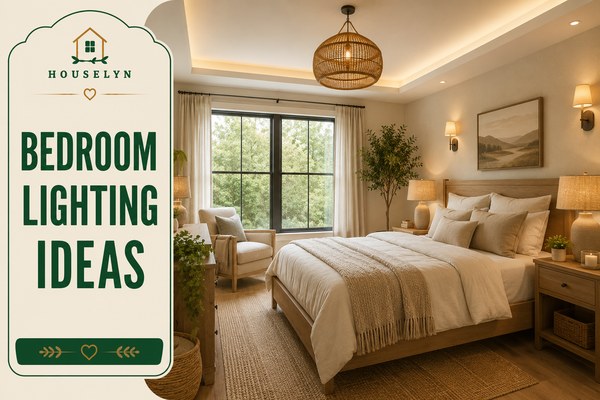
Lighting is often one of the most overlooked aspects of bedroom design, yet it has one of the greatest influences on how a room looks and feels. Good lighting supports everyday activities, creates a relaxing atmosphere, and highlights the features that make your bedroom unique.
Rather than relying on a single ceiling fixture, a well-designed bedroom uses multiple layers of light to provide flexibility throughout the day. Bright lighting may be useful when getting dressed or cleaning, while softer lighting creates a calm environment for reading, relaxing, or preparing for sleep.
The best bedroom lighting plans combine functionality with atmosphere, allowing you to adjust the room to suit different activities and moods.
Build Your Lighting in Layers
Professional interior designers often divide lighting into three categories:
- Ambient lighting for overall illumination.
- Task lighting for activities such as reading or getting dressed.
- Accent lighting to highlight artwork, architectural features, or decorative elements.
Combining these layers creates a bedroom that feels balanced while allowing you to adjust the brightness depending on the time of day.
Make Natural Light a Priority
Natural daylight makes almost every bedroom feel brighter, healthier, and more spacious.
To maximise daylight:
- Avoid placing tall furniture directly in front of windows.
- Choose window treatments that allow daylight to filter through while maintaining privacy.
- Position mirrors where they can reflect natural light deeper into the room.
- Keep window areas free from unnecessary clutter.
Making better use of daylight often reduces the need for artificial lighting during the day while improving the overall atmosphere.
Choose the Right Colour Temperature
Light bulbs are available in a range of colour temperatures, each creating a different mood.
For most bedrooms, warm white lighting produces the most comfortable environment because it creates a softer, more relaxing atmosphere.
Cool white lighting can sometimes feel harsh in a bedroom, making the room seem less inviting during the evening.
Add Bedside Lighting for Everyday Convenience
Bedside lighting is one of the most practical additions to any bedroom.
Whether you enjoy reading before bed, need lighting during the night, or simply want a softer alternative to overhead lighting, bedside lamps or wall-mounted sconces provide both function and style.
Choosing matching fixtures also helps create visual balance throughout the room.
Highlight Key Features
Lighting can also be used to draw attention to attractive elements within the bedroom.
Consider highlighting:
- Artwork
- Feature walls
- Decorative shelving
- Indoor plants
- Architectural details
- Textured wall finishes
Accent lighting adds depth and creates a more sophisticated appearance without overwhelming the room.
Plan for Flexibility
Your lighting needs will change throughout the day.
Where possible, use dimmable lighting or multiple light sources so that you can easily adjust brightness depending on whether you're relaxing, reading, cleaning, or getting ready for the day ahead.
A flexible lighting plan makes the bedroom more comfortable while improving its overall functionality.
Thoughtful lighting transforms more than just the appearance of a bedroom. It shapes how the room feels, supports everyday routines, and contributes to the calm atmosphere that every bedroom should provide.
Bedroom Furniture Ideas That Combine Beauty and Function
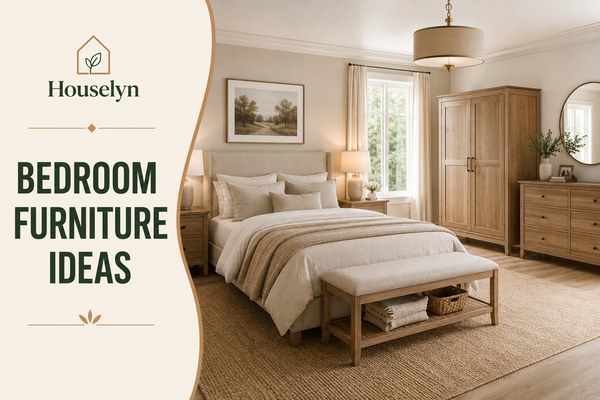
Furniture is the foundation of every bedroom. While decorative accessories and colour palettes influence the room's personality, furniture determines how comfortably the space functions every day. Choosing the right furniture isn't simply about finding attractive pieces—it is about selecting items that support your lifestyle, maximise available space, and remain practical for years to come.
A well-furnished bedroom feels balanced rather than crowded. Every piece has a purpose, contributes to the overall design, and makes daily routines easier. Instead of filling the room with unnecessary furniture, focus on quality, proportion, and functionality.
Start with the Right Bed
The bed is the centrepiece of every bedroom and usually the largest investment in the room.
When choosing a bed, consider:
- The size of the room.
- The number of people using it.
- Available walking space.
- Storage requirements.
- Mattress compatibility.
- Overall bedroom style.
A bed that suits the room's proportions creates a more comfortable layout and improves visual balance.
Select Bedside Tables That Match Your Needs
Bedside tables should do more than simply look attractive.
Think about what you use every evening and every morning.
Do you need space for:
- Books?
- Glasses?
- Charging devices?
- Lamps?
- Water?
- Medication?
Choosing bedside tables with the appropriate storage helps reduce surface clutter while keeping everyday essentials within easy reach.
Invest in Practical Storage Furniture
Storage furniture should support organisation without overwhelming the room.
Popular options include:
- Dressers
- Chests of drawers
- Wardrobes
- Storage benches
- Tallboys
- Multi-functional cabinets
Rather than buying several smaller storage units, one well-designed piece often provides better organisation while maintaining a cleaner appearance.
Consider Furniture Scale Carefully
Large furniture isn't always better.
Furniture should complement the size of the room rather than dominate it.
In compact bedrooms, selecting slimmer furniture with exposed legs often creates a lighter visual appearance while maintaining valuable floor space.
In larger bedrooms, proportionally larger furniture helps prevent the room from feeling empty or disconnected.
Choose Timeless Materials
Bedroom furniture is a long-term investment.
Natural materials such as solid wood, quality veneers, and durable upholstery tend to remain attractive across changing decorating styles.
Neutral finishes also provide flexibility when updating bedding, colour palettes, or decorative accessories in the future.
Leave Space for Everyday Living
Resist the temptation to fill every available wall with furniture.
Comfortable circulation space is just as important as storage.
Leaving generous walkways around the bed, wardrobe, and dressing areas makes the room feel larger while improving its day-to-day usability.
Think Long-Term
Good bedroom furniture should continue meeting your needs as your lifestyle changes.
Before making a purchase, ask yourself:
- Will this still suit the room in five years?
- Can it adapt if my storage needs increase?
- Is it built to last?
- Does it complement other furniture rather than following a short-lived trend?
Timeless, functional furniture almost always delivers better long-term value than fashionable pieces that quickly become outdated.
Ultimately, the best bedroom furniture combines comfort, durability, practicality, and style. When every piece is selected with intention, the bedroom becomes easier to organise, more enjoyable to use, and better suited to everyday life.
Bedroom Wall Decor Ideas That Add Personality Without Creating Clutter
Walls are one of the largest design surfaces in any bedroom, yet they are often overlooked or filled with decorations that don't contribute to the overall design. Thoughtfully chosen wall décor can introduce colour, texture, and personality while helping the room feel complete and balanced.
The key is to decorate with purpose rather than simply filling empty wall space. Every piece should complement the room's style, scale, and atmosphere while reflecting your personality.
A well-designed bedroom wall creates visual interest without becoming overwhelming, allowing the room to remain calm and relaxing.
Create a Meaningful Focal Point
Every bedroom benefits from a focal point that naturally draws the eye.
For many bedrooms, this is the wall behind the bed.
Rather than covering the wall with numerous small decorations, consider creating a single statement feature using:
- Large framed artwork.
- A gallery wall with coordinated frames.
- A decorative headboard.
- Wooden wall panels.
- Textured wallpaper.
- A large round mirror.
A strong focal point immediately gives the room structure and visual balance.
Mix Art with Functional Décor
Beautiful wall décor doesn't have to be purely decorative.
Many pieces can also provide practical value.
Examples include:
- Floating shelves for books and small plants.
- Wall-mounted reading lights.
- Decorative hooks for robes or hats.
- Mirrors that increase light and the feeling of space.
Combining function and style helps maximise every part of the room while avoiding unnecessary clutter.
Keep Scale in Proportion
One of the most common decorating mistakes is choosing artwork or accessories that are too small for the available wall.
Instead of scattering several tiny pieces across a large wall, consider fewer, larger items that create a stronger visual impact.
Likewise, avoid oversized artwork in compact bedrooms where it may overwhelm the room.
Matching the size of the décor to the wall creates a more balanced appearance.
Add Texture for Greater Depth
Bedrooms often feel more inviting when wall décor introduces subtle texture.
Natural materials work particularly well, such as:
- Woven wall hangings.
- Timber wall panels.
- Fabric artwork.
- Textured wallpaper.
- Decorative mouldings.
These elements add warmth without relying solely on colour.
Reflect Your Personality
Your bedroom should tell your story.
Choose artwork and decorative pieces that have personal meaning rather than following every design trend.
This may include:
- Travel photography.
- Family photographs.
- Handmade artwork.
- Vintage finds.
- Favourite quotes.
- Nature-inspired prints.
Personal details create a room that feels authentic while remaining timeless.
Leave Space for Simplicity
Not every wall needs decoration.
Leaving areas of blank wall allows decorative pieces to stand out while preventing the bedroom from feeling busy.
Negative space is an important design tool that contributes to a calm and sophisticated atmosphere.
A carefully edited bedroom often feels more luxurious than one where every surface is filled.
Thoughtful wall décor should enhance the room, support the overall design, and reflect the people who live there. When chosen with intention, even a few carefully placed pieces can transform the atmosphere of the entire bedroom.
Bedroom Styling Ideas That Bring Everything Together
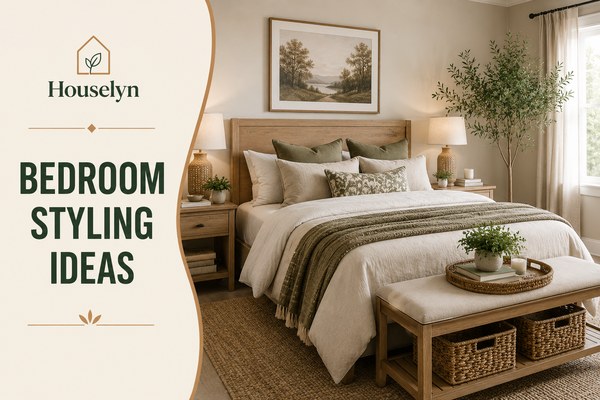
Styling is the final step that transforms a functional bedroom into a space that feels complete. By the time you've planned the layout, selected the furniture, organised storage, chosen a colour palette, and improved the lighting, the room already has a strong foundation. Styling is about adding the finishing touches that create warmth, personality, and visual harmony.
The best-styled bedrooms never feel overdesigned. Instead, they look balanced, welcoming, and effortless because every decorative element has been chosen with purpose.
Rather than constantly following changing trends, focus on timeless styling principles that will continue to look beautiful for years.
Build Around the Bed
The bed naturally becomes the centrepiece of the bedroom, making it the ideal starting point for styling.
Create visual interest by layering:
- High-quality bedding.
- Coordinating duvet covers.
- Decorative cushions.
- A folded throw blanket.
- Different fabric textures.
Layering creates depth while making the room feel comfortable and inviting.
Style Bedside Tables with Intention
Bedside tables should remain practical while contributing to the overall design.
A balanced arrangement may include:
- A bedside lamp.
- One or two favourite books.
- A small indoor plant.
- A decorative tray.
- A candle or diffuser.
Avoid overcrowding the surface. A few carefully selected items create a cleaner and more sophisticated appearance.
Introduce Greenery
Indoor plants soften hard furniture lines while adding colour and freshness.
Easy-care plants such as:
- Snake plants
- ZZ plants
- Pothos
- Peace lilies
can improve the room's atmosphere without requiring extensive maintenance.
Choose planters that complement the bedroom's colour palette and materials.
Add Soft Layers Throughout the Room
Layering isn't limited to the bed.
Consider adding:
- An area rug beneath the bed.
- Linen curtains.
- Woven storage baskets.
- Upholstered seating.
- Textured wall décor.
Repeating similar textures throughout the room creates a cohesive and welcoming environment.
Keep Decorative Accessories Purposeful
A beautifully styled bedroom doesn't require dozens of decorative objects.
Instead, choose a small collection of meaningful pieces that reflect your personality while complementing the overall design.
Each item should contribute to the room rather than simply filling empty space.
Edit Before You Add
Professional interior designers often improve a room by removing unnecessary items before introducing anything new.
Take a final look around your bedroom and ask:
- Does every item serve a purpose?
- Does it contribute to the overall design?
- Is it adding visual clutter?
- Would the room feel calmer without it?
Editing is one of the simplest ways to create a more refined and luxurious appearance.
Ultimately, great styling isn't about buying more décor—it's about arranging your furniture, colours, textures, and accessories so they work together as one complete design.
🛒 Complete Your Bedroom with These Amazon Essentials
Now that you've planned your layout, chosen your furniture, improved your storage, and refined your bedroom style, it's time to bring everything together. These carefully selected Amazon essentials can help you complete a comfortable, organised, and beautifully styled bedroom.
Furniture Essentials
Comfort & Styling Essentials
- Duvet Cover Sets
- Decorative Cushions
- Throw Blankets
- Bedroom Area Rugs
- Bedroom Wall Art
- Decorative Mirrors
- Indoor Plants
- Bedroom Table Lamps
These essentials work together to help you create a bedroom that is comfortable, organised, functional, and beautifully finished.
Common Bedroom Design Mistakes and How to Avoid Them
Designing a beautiful bedroom is rarely about making one perfect decision. More often, success comes from avoiding a series of small mistakes that gradually make the room feel cluttered, uncomfortable, or impractical.
Many of these mistakes are easy to make because they seem harmless at first. An oversized piece of furniture, too many decorative accessories, poor lighting, or a lack of storage may not appear significant individually. Over time, however, these decisions can affect both the appearance of the room and how enjoyable it is to use every day.
Recognising these common mistakes before they happen can save money, reduce frustration, and help create a bedroom that remains functional and attractive for many years.
Buying Furniture Before Planning the Layout
One of the most expensive mistakes is purchasing furniture before understanding how it will fit within the room.
Always measure:
- The room.
- Existing furniture.
- Walking space.
- Door clearances.
- Window positions.
Planning first helps ensure that every new piece improves the room rather than creating unnecessary obstacles.
Prioritising Appearance Over Function
Beautiful bedrooms should still support everyday life.
A room that looks impressive in photographs but lacks storage, convenient lighting, or comfortable circulation quickly becomes frustrating to live in.
Whenever possible, allow function to guide your decorating decisions rather than the other way around.
Filling Every Available Space
Empty space is an important part of good design.
Trying to fill every wall, shelf, or corner often creates visual clutter and reduces the feeling of calm that a bedroom should provide.
Leaving space around furniture and decorative pieces allows the room to breathe.
Ignoring Storage Until the End
Storage should never be treated as an afterthought.
If clothing, accessories, books, or everyday items don't have designated homes, clutter will eventually return regardless of how beautifully the room has been decorated.
Planning storage early creates a stronger foundation for every other design decision.
Following Every Design Trend
Trends can be inspiring, but they change quickly.
Instead of redesigning your bedroom around short-lived fashions, invest in timeless furniture and neutral foundations that can be updated with affordable accessories over time.
This approach is usually more economical while creating a bedroom that remains stylish for much longer.
Choosing the Wrong Lighting
Lighting affects both appearance and functionality.
Relying entirely on a single ceiling light often creates harsh shadows and limits the room's flexibility.
Layered lighting provides a far more comfortable environment for everyday living.
Forgetting Personal Style
Some of the most beautifully designed bedrooms are also the most personal.
Rather than trying to recreate a room exactly as it appears online, use inspiration as a starting point while adapting ideas to suit your own lifestyle, routines, and personality.
A bedroom should always feel like your own space rather than a showroom.
Trying to Finish Everything at Once
Creating a beautiful bedroom doesn't have to happen in a single weekend.
Allow the room to evolve naturally.
Invest in quality pieces gradually, learn how you use the space, and make thoughtful improvements over time.
Bedrooms that develop slowly often become more comfortable and more personal than those designed all at once.
The best bedroom designs are rarely the result of perfection. They are the result of thoughtful planning, practical decisions, and continuous refinement. By avoiding these common mistakes, you'll create a bedroom that remains beautiful, functional, and enjoyable long after decorating trends have changed.
The Houselyn Bedroom Planning Method
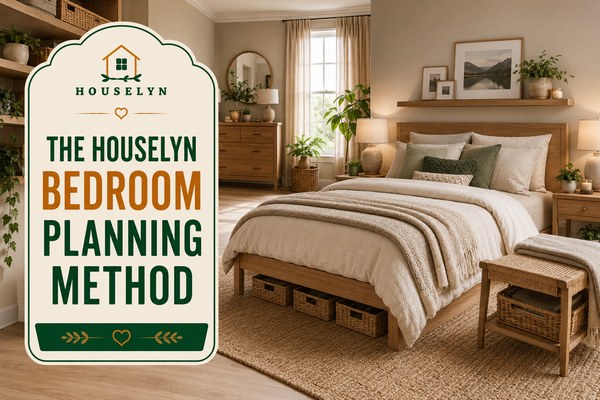


Throughout this guide, you've explored the principles that make a bedroom comfortable, functional, organised, and visually appealing. You've learned how to plan your space, improve the layout, maximise storage, choose colours, select furniture, create a cosy atmosphere, and style the room with confidence.
Rather than thinking of these as separate ideas, Houselyn brings them together into one practical system that can be applied to almost any bedroom.
We call it the Houselyn Bedroom Planning Method.
Whether you're refreshing a small apartment bedroom, designing a master suite, or updating a guest room, this step-by-step approach helps you make confident decisions while avoiding expensive mistakes.
Step 1 — Understand Your Bedroom
Every successful bedroom begins with understanding how the room is used.
Ask yourself:
- Who uses this room?
- What activities take place here?
- What are the biggest frustrations?
- What already works well?
- What would improve everyday comfort?
Starting with these questions ensures that every future decision solves a real problem.
Step 2 — Plan Before You Purchase
Before buying furniture or décor:
- Measure the room.
- Identify storage needs.
- Decide on your layout.
- Set a realistic budget.
- Define the atmosphere you want to create.
Planning first reduces waste and leads to better long-term results.
Step 3 — Build a Functional Foundation
Focus first on the essentials:
- Comfortable bed.
- Practical furniture.
- Efficient storage.
- Good lighting.
- Clear walking space.
When the foundation works well, decorating becomes much easier.
Step 4 — Add Personality
Once the room functions well, begin introducing character through:
- Colour.
- Artwork.
- Textiles.
- Plants.
- Decorative accessories.
- Personal collections.
These finishing touches should complement the room rather than compete for attention.
Step 5 — Refine Over Time
Beautiful bedrooms are rarely completed in a single weekend.
Live with the space.
Observe how you use it.
Improve one area at a time.
Replace items only when they no longer support your needs.
Small, thoughtful improvements made consistently often produce better results than large, rushed renovations.
The Houselyn Philosophy
At Houselyn, we believe the best bedrooms are not the most expensive or the trendiest.
They are the bedrooms that make everyday life easier.
A successful bedroom should:
- Help you relax.
- Support better organisation.
- Reflect your personality.
- Adapt to your changing lifestyle.
- Remain practical for years to come.
When comfort, functionality, storage, organisation, and personal style work together, you've created more than a beautiful bedroom—you've created a space that truly supports your wellbeing.
The Houselyn Bedroom Planning Method isn't a design trend. It's a practical framework that can guide every future bedroom project, helping you make thoughtful decisions that stand the test of time.
Conclusion
Creating a beautiful bedroom isn't about copying the latest trends or buying the most expensive furniture. It's about designing a space that supports the way you live every day. When comfort, functionality, organisation, storage, lighting, colour, and personal style work together, your bedroom becomes more than just a place to sleep—it becomes a space where you can relax, recharge, and feel completely at home.
Throughout this guide, we've explored the principles that form the foundation of successful bedroom design. From understanding what makes a great bedroom and planning your layout to improving storage, choosing colours, selecting furniture, styling the room, and avoiding common mistakes, each step contributes to creating a space that remains practical and enjoyable for years to come.
Remember that the best bedrooms are rarely completed all at once. They evolve over time as your needs, lifestyle, and personal preferences change. Rather than striving for perfection, focus on making thoughtful improvements that enhance both the appearance and functionality of your room.
As you continue developing your bedroom, return to the Houselyn Bedroom Planning Method whenever you're making decisions. It provides a practical framework for creating a bedroom that is not only beautiful today but continues to support your everyday life well into the future.
Whether you're updating a compact apartment bedroom, refreshing a master suite, or designing a welcoming guest room, every improvement—no matter how small—moves you closer to a space that reflects your personality and works for the way you live.
At Houselyn, we believe every home deserves to be both beautiful and practical. We hope this guide has given you the confidence, inspiration, and knowledge to create a bedroom you'll enjoy for many years to come.
Frequently Asked Questions About Bedroom Ideas
What are the most important elements of a well-designed bedroom?
What are the most important elements of a well-designed bedroom?
A well-designed bedroom balances comfort, functionality, organisation, storage, lighting, colour, and personal style. Rather than focusing on one feature, aim to create a space where every element works together to support your daily routine and promote relaxation.
How can I make a small bedroom look bigger?
How can I make a small bedroom look bigger?
Start by choosing appropriately sized furniture, keeping walkways clear, and using light colours to reflect natural light. Multi-functional furniture, under-bed storage, mirrors, and vertical shelving also help maximise space without making the room feel crowded.
What colours are best for a relaxing bedroom?
What colours are best for a relaxing bedroom?
Soft neutrals such as warm white, beige, greige, taupe, sage green, and muted blue are popular choices because they create a calm, welcoming atmosphere. The best colour palette is one that suits your room's lighting and the mood you want to create.
How do I make my bedroom feel cosy?
How do I make my bedroom feel cosy?
Layer different textures through bedding, throws, cushions, rugs, and curtains. Add warm lighting, natural materials, and a few meaningful decorative accessories while avoiding unnecessary clutter. A cosy bedroom is created through balance rather than excess.
What furniture should every bedroom have?
What furniture should every bedroom have?
Most bedrooms benefit from a comfortable bed, supportive mattress, practical bedside tables, adequate clothing storage, and good lighting. Additional furniture should only be added if it supports the room's function without restricting movement.
How can I organise my bedroom more effectively?
How can I organise my bedroom more effectively?
Begin by dividing the room into storage zones for clothing, accessories, bedding, and personal items. Use drawer organisers, wardrobe systems, under-bed storage, and storage furniture to ensure everything has a designated place that is easy to maintain.
How often should I refresh my bedroom?
How often should I refresh my bedroom?
Small seasonal updates once or twice a year are usually enough to keep a bedroom feeling fresh. Rotating bedding, updating decorative cushions, introducing seasonal plants, and decluttering regularly can make a significant difference without requiring a full redesign.
What is the Houselyn Bedroom Planning Method?
What is the Houselyn Bedroom Planning Method?
The Houselyn Bedroom Planning Method is a five-step system that helps you create a bedroom that is both beautiful and practical. It encourages you to understand your needs, plan carefully, build a strong foundation, personalise the space thoughtfully, and continue refining it over time so your bedroom evolves with your lifestyle.
Continue Your Bedroom & Home Improvement Journey
If you're planning to improve more areas of your bedroom or home, these Houselyn guides provide practical advice, organisation systems, and decorating inspiration to help you build on what you've learned.
- 25 Bedroom Decor Ideas
- 25 Bedroom Color Ideas
- 21 Cozy Bedroom Ideas
- 27 Small Bedroom Decor Ideas
- 23 Bedroom Organization Ideas
- 25 Linen Closet Organization Ideas
- 25 Nightstand Organization Ideas
- 25 Dresser Organization Ideas
- 25 Under Bed Storage Ideas
- 31 Home Organization Ideas
Explore these related guides to continue creating a more organised, comfortable, and beautiful home with Houselyn.
Have A Great Story About This Topic?
Do you have a great story about this? Share it!